Girls’ Club Empowered Payel to Find Her Voice

From Silence to Song

In the quiet, lush village of Bara Para in Khagrachhari, a young girl named Payel Tripura carried a silence within her. Like many girls in her community, her world was shaped by unspoken rules and deep-seated taboos. Topics of Sexual Reproductive Health and Rights (SRHR), Menstrual Hygiene Management (MHM), and Gender-Based Violence (GBV) were shrouded in mystery and misconception. Payel, then a soft-spoken student in class seven, had no awareness of these critical issues that directly impacted her life and future. Her potential was veiled by a familiar shadow: a profound shyness that made her hesitate to speak, to stand, or to share her thoughts with anyone outside her family.

The landscape of her life began to shift in 2020 with the establishment of a Girls’ Club in Bara Para by the OLHF project, implemented by Zabarang. Payel, intrigued, became a member. The club offered a safe space, but initially, Payel remained on the periphery. During sessions led by a dedicated Female Mentor, she would listen but not participate, her eyes often downcast. The discussions on health, rights, and safety were entirely new to her, and the act of voicing her own opinion felt impossible.

Recognizing her potential, the Female Mentor took a gentle, deliberate approach. She didn’t force participation but instead created opportunities. She encouraged Payel to join small group activities, to contribute to collaborative presentations, and most importantly, she fostered an environment of trust and sisterhood. The other girls’ growing curiosity and confidence began to chip away at Payel’s reservations.

The first breakthrough came through an unexpected channel: song. At the Mentor’s request, Payel, who had always loved to sing, agreed to perform for the group. In that moment, melody became her first language of courage. Standing before her peers, her voice, though perhaps tentative at first, found strength. It was a catalyst. The act of performing unlocked a door, and her confidence began to flow into other areas.

She started raising her hand in sessions. She began articulating her thoughts on SRHR, asking questions about MHM, and understanding her rights in the context of GBV. The knowledge was empowering, but the transformation was even more profound. The shy, hesitant girl was steadily becoming a confident, articulate young woman.

Payel’s journey of growth did not remain within the four walls of the Girls’ Club. Inspired by her rediscovered passion, she enrolled at the Khagrachhari Shilpokola Academy to formally train her voice—a decision her parents proudly supported, having witnessed the remarkable positive change in their daughter firsthand.

Today, Payel Tripura is a beacon of confidence in her community. The girl who once could not stand to speak now gracefully moderates events at her school, selected by teachers for her poise and clarity. Her abilities have captivated not just her school but her entire community. She is now a sought-after moderator and performer at local religious festivals, her voice ringing out clear and strong, a symbol of a new generation’s potential.

Reflecting on her transformation, Payel says, “I used to feel very nervous and shy to express my thinking to others. The girls’ club sessions helped me remove that nervousness. The OLHF project gave me the opportunity to become capable, to do any work and talk properly. If I had not enrolled in the girls club, I would not be at this stage today.”

Her story is a powerful testament to the ripple effect of empowerment. The Female Mentor observes, “Girls club played the main role in increasing her confidence and reducing her shyness. OLHF project activities are changing not just Payel, but many other girls, fostering their personal development and capacity building.”

Payel’s hope now extends beyond herself. She dreams that such transformative initiatives will reach every remote village in Khagrachhari, ensuring that every vulnerable girl can step forward, armed with knowledge and self-belief, to build a future free from violence, coercion, and discrimination. From a silence imposed by taboo to a song of self-assurance, Payel’s journey is a resonant success story, proving that when given the right tools and a supportive space, every girl can find the power of her own voice.

By Dayananda Tripura, PC-OLHF

Sajek Union Parishad Forms Project Implementation Committee to Aid Rodent Crisis Affected Areas in Remote Villages of Sajek

SAJEK, September 11, 2025

A project inception meeting was held today on 11 September 2025 at the Sajek Union Parishad, leading to the formation of a nine-member Project Implementation Committee (PIC) aimed at assisting local affected communities. The PIC will be chaired by the Union Parishad Chairman Mr. Atulal Chakma, serving as the ex-officio president. Bidyut Jyoti Chakma, a representative from Zabarang, has been appointed as the Member Secretary. The committee’s members also include local ward members, women representatives, and Karbari (village head) representatives, ensuring a broad representation of the community.

During the meeting, a preliminary list of affected neighborhoods was also released with unanimous approval. The committee’s first distribution event is scheduled for Tuesday, September 16, 2025, at 11:00 a.m. at 9 no. Tripura Para if the preparation works go smooth.

The meeting was chaired by Mr. Bishwajit Chowdhury, the Administrative Officer of Sajek Union Parishad as the Union Parishad Chairman was sick.

#Sajek
#RodentCrisis
#RatFlood

DC Applauds Zabarang’s Training

Khagrachari Deputy Commissioner Praises Zabarang’s Skills Training, Stresses Local Employment Opportunities

KHAGRACHARI, September 7, 2025– In a significant show of support for local development initiatives, the Deputy Commissioner (DC) of Khagrachhari, Mr. A B M Iftekharul Islam Khandker, conducted a visit to the offices of Zabarang today. He was accompanied by the Upazila Nirbahi Officer (UNO) of Khagrachhari Sadar, Mr. Sujan Chandra Roy.

The visit aimed to gain firsthand insight into the impactful work being carried out by the local organization. The delegation was warmly received by the Executive Director of Zabarang, Mr. Mathura Bikash Tripura, along with the Head of Finance and Human Resources, Ms. Popi Tripura, and Program Manager, Mr. Dayananda Tripura, who provided a comprehensive overview of the organization’s diverse programs and activities.

The highlight of the visit was a tour of an ongoing “Off-Job Training” session. This intervention is a key component of the “Creating Jobs and Improving Incomes of Women, Ethnic Communities and Disadvantaged Groups Through Market Driven Skills Training and Entrepreneurship development (CJII)” project. The project is implemented by Zabarang with support from the International Labour Organization (ILO) through its nationwide Promoting Gender Responsive Enterprises and TVET Systems (ProGRESS) project in Bangladesh.

Mr. Narayan Chandra Khan, Principal of the Technical Training Center in Khagrachhari, was present as a resource person, underscoring the collaborative nature of the initiative.

Deputy Commissioner Mr. Khandker expressed his deep appreciation for the training program, observing the participants in action. He emphasized the critical role such skills development plays in empowering individuals and boosting the local economy.

“Such type of training will enhance the skill of the participants and it will contribute to self-employment. I am delighted seeing the training,” the DC remarked. He encouraged all trainees to complete the course diligently, stating, “I hope Zabarang will keep continue the good work always.”

The DC specifically praised the project’s focus, which aims to enhance entrepreneurship and business skills in the labour market and enable quality skills training through apprenticeships in informal workplaces. He commended Zabarang’s innovative training modality, which connects learners directly with master craft persons. “They are learning through doing,” he noted, highlighting the effectiveness of this hands-on apprenticeship model in delivering real-world skills.

In a crucial piece of advice to the attendees, Deputy Commissioner Mr. Khandker cautioned against the dangers of illegal overseas employment channels. “I request the participants not be scammed by bad people promising jobs abroad. Instead, always rely on trusted companies or agencies,” he urged.

Shifting the focus to domestic opportunities, he highlighted the growing potential within Bangladesh itself. “Bangladesh also has a wide labour market nowadays, which skilled people can utilise,” he stated, advocating for the exploration of local employment avenues made accessible through such training.

Concluding the visit, the Deputy Commissioner extended his best wishes for Zabarang’s future endeavors and assured the organization of the government’s full support. “The Government line departments will always stand beside Zabarang in such positive interventions,” he promised, marking a strong commitment to fostering partnerships that drive community development and skill-based growth in the region.

HSS4PHC

Health System Strengthening for Primary Health Care Program

Project Objectives:

  1. Empower women in selected secondary schools.
  2. Prevent child marriage and increase sexual and reproductive health services for adolescents.
  3. Prevent child marriage.

Donor: United Nations Population Fund (UNFPA) and Concerned Women For Family Development (CWFD)

Duration: April 2025 to December 2028

Project Budget: 924,562 (for first year)

Project Area: Khagrachari Sadar, Matiranga, Guimara, Manikchari, and Mahalchari Upazilas.

Key Activities:

  1. Organize interactive sessions in selected secondary schools to raise awareness among adolescents.
  2. Sensitize secondary school teachers to address the prevention of child marriage and promote knowledge of sexual and reproductive health.
  3. Engage students of the secondary school level to disseminate information on the child marriage and sexual and reproductive health rights (SRHR).

Watershed Management Interventions and Climate Actions of Zabarang: Weaving a Resilient Chittagong Hill Tracts

Chittagong Hill Tracts, Bangladesh – For over two decades, since 2003, Zabarang has been a quiet yet formidable force, weaving a tapestry of resilience across the lush, often challenging, landscape of the Chittagong Hill Tracts (CHT). Through a multifaceted approach encompassing watershed management, climate action, and the revitalization of indigenous knowledge, Zabarang is empowering local communities to not only adapt to a changing climate but also thrive in harmony with their environment.

Innovations for Livelihood Security: Sustainable Hill Cultivation Program

In 2003, with support from Danida HRGG PSU, Zabarang launched the Sustainable Hill Cultivation Program (SHCP) in Dighinala Upazila. This pilot project introduced a successful model of hill farming that balances livelihood security with environmental sustainability.

Working with three jumia villages, the program encouraged farmers to categorize their crops into short-term (like rice and vegetables), mid-term (papaya and banana), and long-term (perennial fruit and timber trees). This innovative intercropping approach, rooted in indigenous knowledge, has not only provided a sustainable family income source for many jumia farmers but has also transformed jum fields into lush, green landscapes, contributing significantly to environmental health.

Amplifying Voices for Climate Action

Zabarang stands as a crucial voice for the people of the CHT, actively engaging in campaign and advocacy activities on climate change and environment. As a key member of various civil society networks, including the Bangladesh Indigenous Peoples’ Network on Climate Change and Biodiversity (BIPCCBDNET) and Bangladesh Climate Change 64 Network, Zabarang ensures that the unique environmental challenges and indigenous perspectives of the region are heard at national and global forums. They regularly publish vital information, education, and communication materials—from issue-based publications and position papers to posters and research documents—to raise awareness and influence policy.

Nurturing the Veins of the Earth: Watershed Management

A cornerstone of Zabarang’s work is its dedicated Watershed Management Initiatives under the Community Empowerment and Economic Development (CE&ED) project. Recognizing that small streams (chharas) are the lifeblood for drinking water, household use, and irrigation in the CHT, Zabarang has been instrumental in regenerating degraded lands.

Since 2011, they’ve led community-driven efforts to manage these crucial streams, many of which are drying up due to reduced upstream water flow and siltation. Through strategic plantation activities, Zabarang helps communities regenerate vegetation, providing shade to maintain low water temperatures, increasing soil stability, minimizing stream bank erosion, and enhancing water quality. This initiative also plays a vital role in conserving indigenous plant diversity, supporting a richer aquatic wildlife habitat, and ultimately ensuring year-round water availability for thousands. Their efforts have seen the planting of a diverse array of local and indigenous species like Chalta, Jarul, Telsur, and various bamboo species, transforming barren areas into thriving ecosystems. These initiatives engaged nearly 400 villages, bolstered by the participation of approximately 300 women’s groups who served as vital additional forces in this grassroots social movement.

Wisdom from the Ground: Promoting Indigenous Best Practices

Zabarang champions the invaluable traditional knowledge of the region through its Promoting Indigenous Peoples’ Best Practices to Combat Climate Change (PPCCC) initiative. Supported by UNDP, this action research project has meticulously identified and disseminated the sustainable practices of ‘jumias’ (shifting cultivators) for traditional ‘jum’ cultivation.

The research has not only enhanced the capacities of jumias to adapt to changing climatic conditions and resource scarcity but also documented and promoted innovative hill cultivation techniques. Engaging directly with five village communities and 175 participants, Zabarang conducted participatory strategic planning sessions to understand grassroots coping strategies. A key outcome was the development of a Position Paper, incorporating community recommendations and wishes, which was shared with policymakers, including Members of Parliament, government representatives, and traditional leaders, to influence policy on sustainable resource management.

New Warriors in Climate Action: People’s Empowerment for Climate and Environmental Justice

From 2014 to 2017, Zabarang spearheaded the People’s Empowerment for Addressing Climate Justice and Environmental Justice (PEACE) project, supported by ‘Bread For the World’. This initiative focused on increasing climate adaptability in targeted villages, with a specific emphasis on empowering women and youth.

The project aimed to significantly reduce climate risks by involving some 300 young people, equipping them to lead the charge against climate change impacts. These “new warriors” participate in community awareness campaigns, providing vital information on climate change trends and adaptation mechanisms to their villagers, fostering a more prepared and resilient community.

Building Bridges: Natural Resource Management and Indigenous Peoples Dialogue

From 2007 to 2009, Zabarang played an active role in a series of Community Dialogues on Natural Resource Management and Indigenous Peoples, as one of the partners of the interventions supported by UNDP. These dialogues spanned across Asia and the Asia Pacific, highlighting the crucial stewardship role indigenous peoples play in responding to climate change and preserving their cultural and traditional landscapes.

Zabarang, as a local partner, led field-based activities in Khagrachari, gathering information and facilitating crucial conversations between grassroots communities and policymakers. This initiative fostered a space for meaningful discussions on natural resource management and cultural sustainability, with findings shared at regional and global platforms, including the UN Permanent Forum on Indigenous Issues.

Advocating for Shared Natural Health: Position Paper on Village Common Forests

Zabarang has been a key partner in the Campaign for Sustainable Rural Livelihoods (CSRL), leading the mission to develop a Position Paper on Village Common Forest for CSRL’s Hill Tracts Campaign Group. This influential campaign focuses on agriculture, climate change, and fair trade, aiming to reduce rural poverty and vulnerability.

The position paper, developed with input from local communities, advocates for the preservation and promotion of the Village Common Forest (VCF) system, raising awareness among policymakers about the critical link between VCFs, food security, and climate change in the Chittagong Hill Tracts.

Promoting and Strengthening the VCF Network: a Unified Front to Combat Climate Challenges
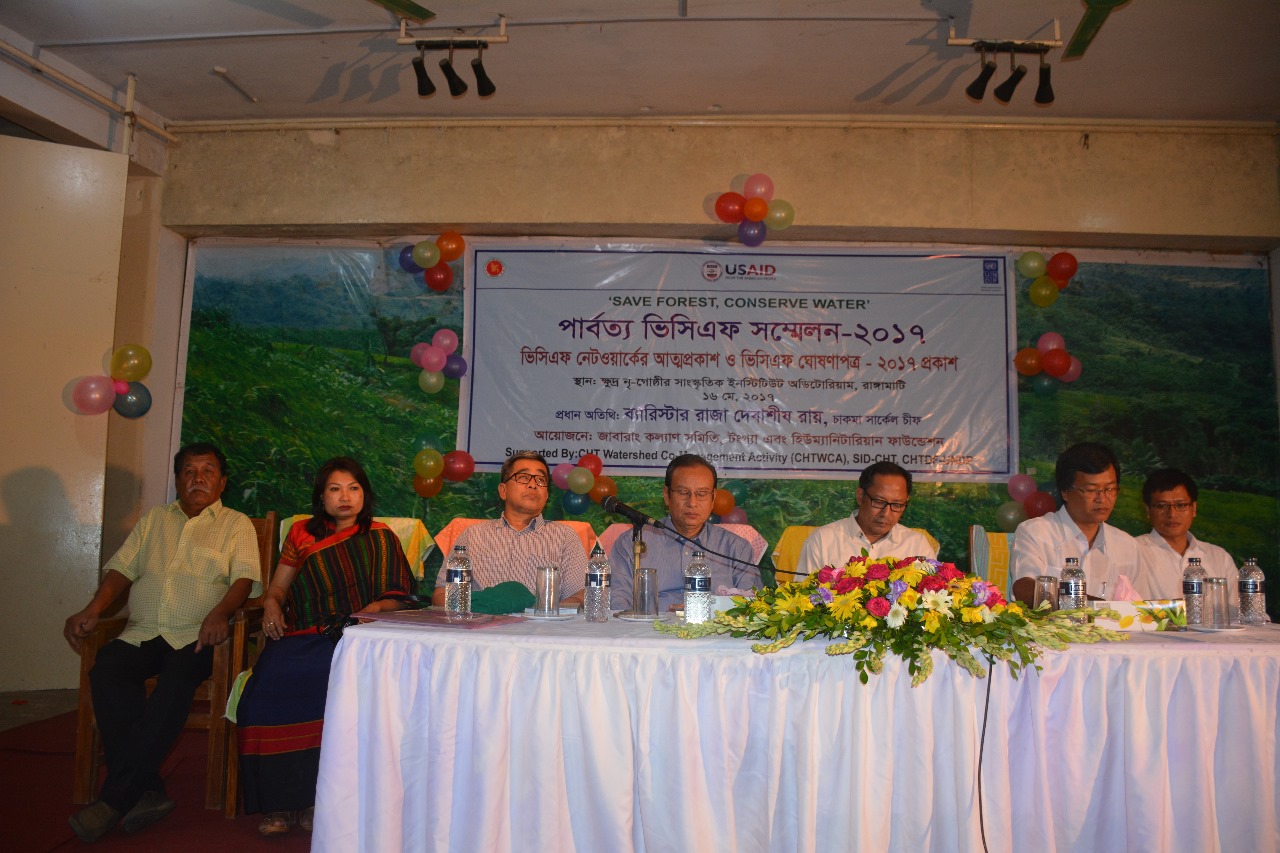
Proclamation of “VCF Declaration 2017” through the CHTs VCF Conference in presence of traditional leaders, community leaders and civic actors

In a significant stride towards collective conservation, Zabarang spearheaded the project “Promoting a Network of Village Common Forests (VCFs) and Increasing the Network Members’ Capacity” from 2016 to 2017. This initiative, spanning Rangamati, Khagrachari, and Bandarban districts, aimed to establish a robust VCF network to guide communities in safeguarding their forests.

Zabarang facilitated the establishment of central, district-level, and sub-district level VCF committees, developing bylaws to provide a clear framework for VCF activities. Extensive capacity-building training covered rights, advocacy, leadership, gender equality, and dispute resolution, empowering 92 VCF community leaders, including a focus on women’s involvement. The project’s success is evident in the formalization of VCF governance, increased awareness, enhanced leadership, and the creation of a sustainable future plan for the network.

On-the-Ground Guardianship: Community Initiatives for Protecting VCFs in Khagrachhari
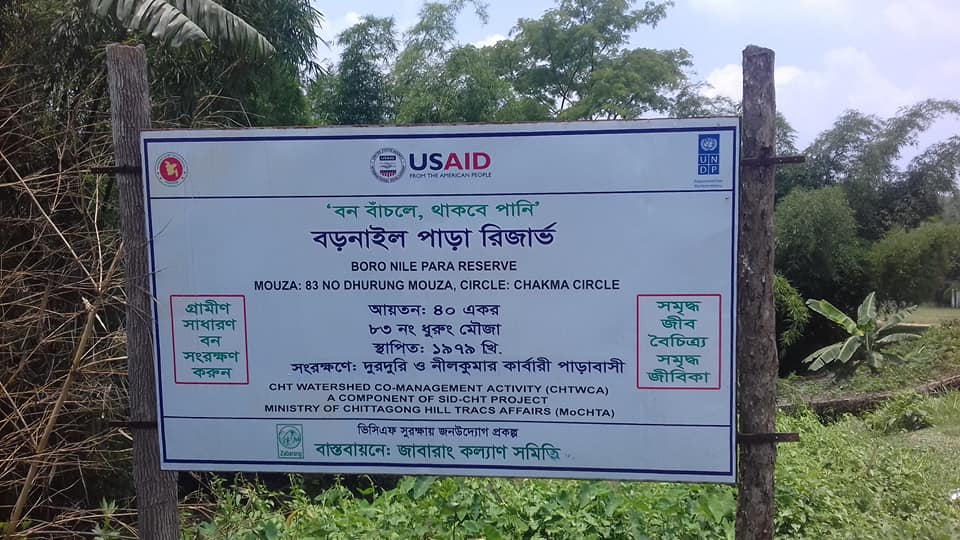
Signboard of Bornail Para Reserve (VCF), which was a part Zabarang’s interventions

Building on the network’s strength, Zabarang launched Community Initiatives for Protecting VCFs in Khagrachhari District from 2017 to 2019. With funding from SID-CHT and UNDP, this project directly protected 15 VCFs across six Upazilas, benefiting 1,345 households and a total population of 6,725 individuals.

The initiative involved comprehensive activities, from situation analysis and resource mapping to forming VCF management committees, demarcating boundaries with pillars and display boards, and training field staff on GPS for precise VCF mapping. Capacity building was extensive, covering climate change and disaster management preparedness, financial management, women’s participation in decision-making, and VCF management plan formulation. The project successfully completed all its targets, demonstrating significant progress in VCF protection and community empowerment, with a notable reach in awareness-raising sessions and training programs.

Sowing Seeds for Future Resilience: Revival of Traditional Crops and Sustainable Technologies

Looking to the future, Zabarang has embarked on the Revival of Traditional Crops and Sustainable Technologies for a Resilient Food System and Sustainable Natural Resources Management project, running from June 2024 to September 2026. Supported by the Tebtebba Foundation and IFAD, this initiative directly benefits 262 Tripura community members, with significant participation from women and youth, and indirectly reaches over 1,500 individuals.

The project’s goal is to enhance food security, improve nutrition, and strengthen climate change resilience. It focuses on restoring indigenous crops through ancestral knowledge and agro-ecological farming systems, improving access to technical services from government departments, and enhancing the capacity of community leaders on Indigenous Peoples’ rights, gender, and climate change. Activities include promoting ‘Jhum’ cultivation and seasonal farming, documenting indigenous crops and wild food species, establishing connections with agricultural and forest departments, and providing training on local and forest crops, gender sensitivity, and participatory monitoring.

Inventorying Knowledge, Inspiring Actions: Publications on Climate Change and Environment

A testament to Zabarang’s commitment to knowledge dissemination is its consistent output of Publications on climate change and environmental issues. These journals, reports, and annual publications serve as invaluable resources, documenting successes, sharing insights, and informing broader audiences about ground realities and effective ways to nurture the environment.

Their publications cover a range of critical topics, including “Good Practices to Combat Climate Change – experiences from the Chittagong Hill Tracts,” “Sustainable Hill Cultivation,” and “VCF – The Home of Environment and Ecology,” providing a vital inventory of local wisdom and inspiring further action.
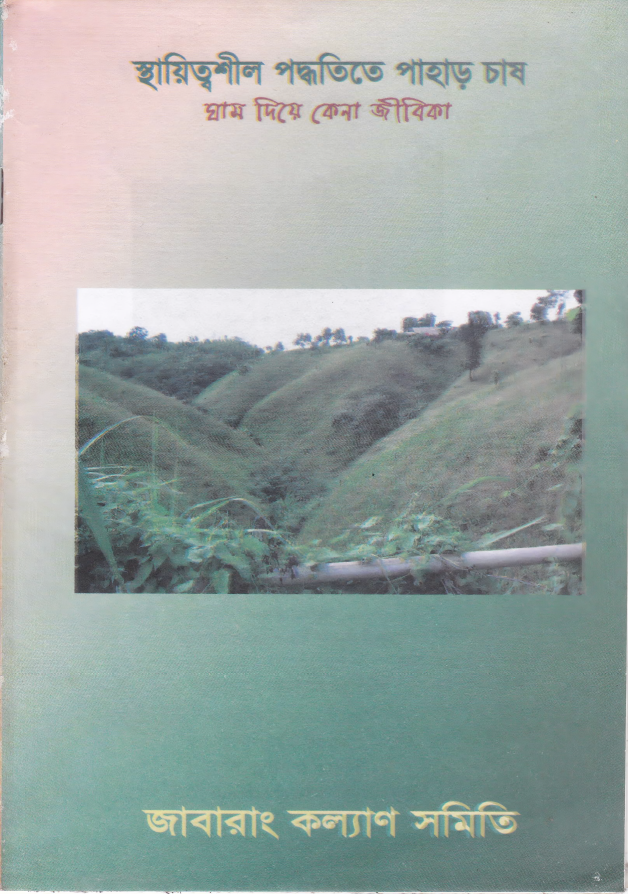
Booklet on Sustainable Hill Cultivation Program
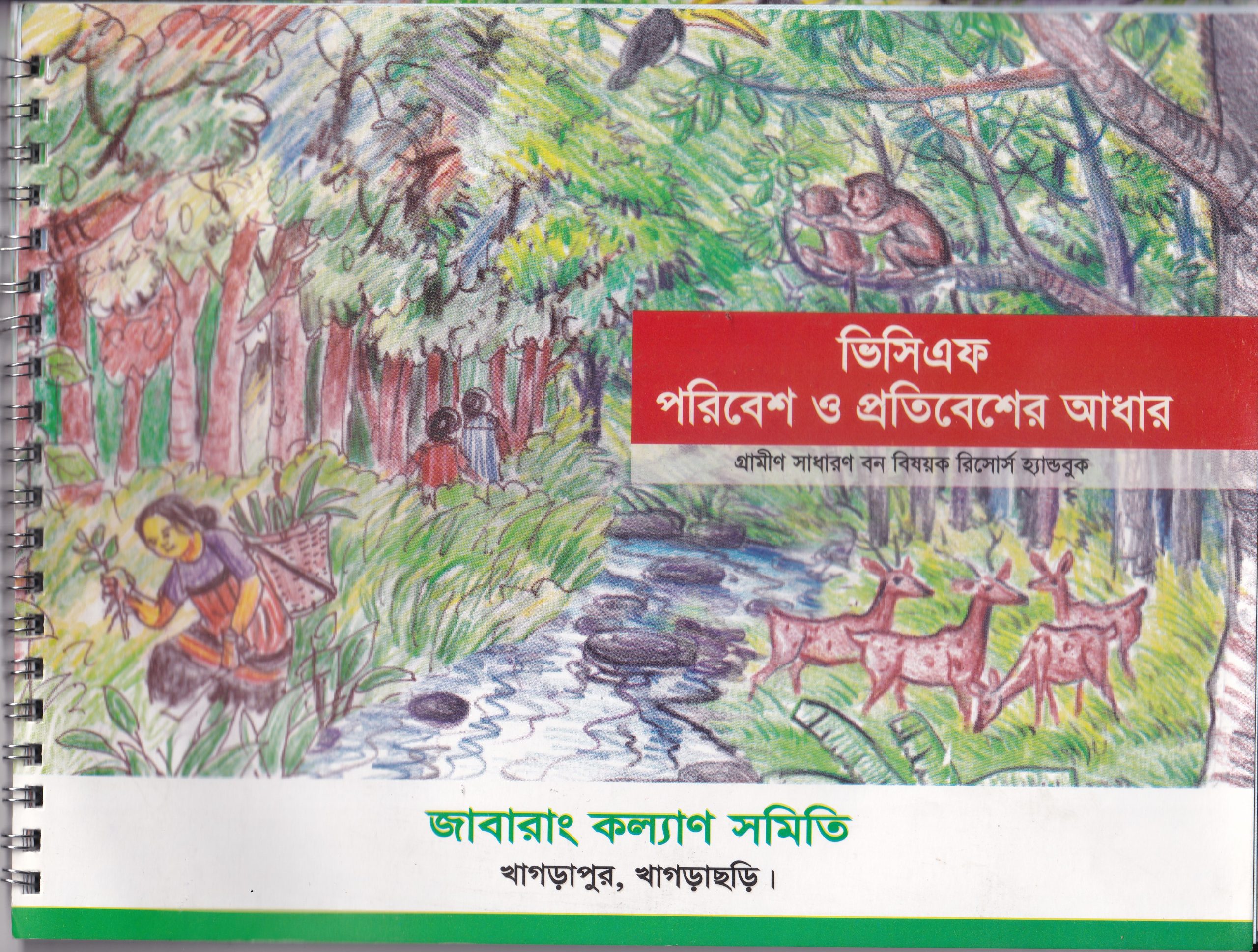
Pictorial Booklet on VCF
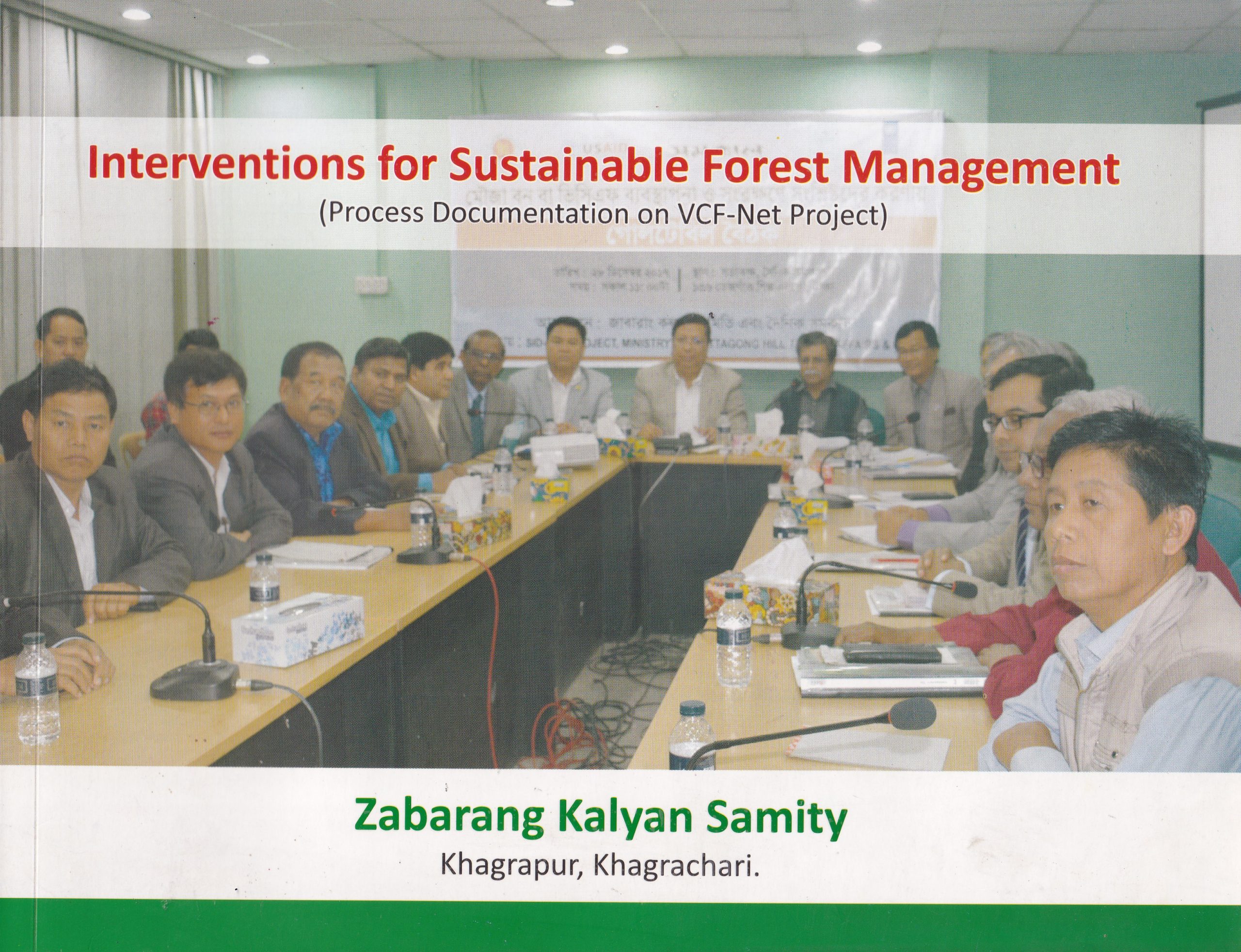
Process Documentation on the VCF Network Development project
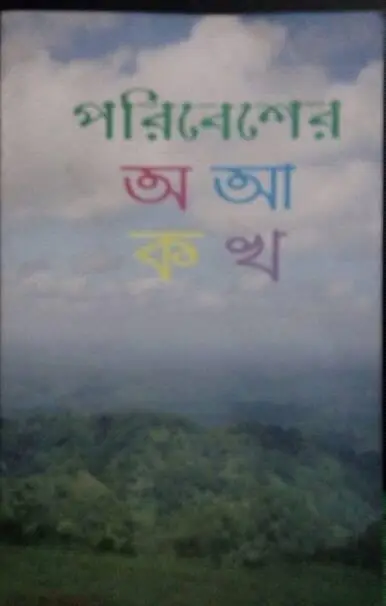
ABCD of Environment- chronological alphabetic rhymes on climate and environment
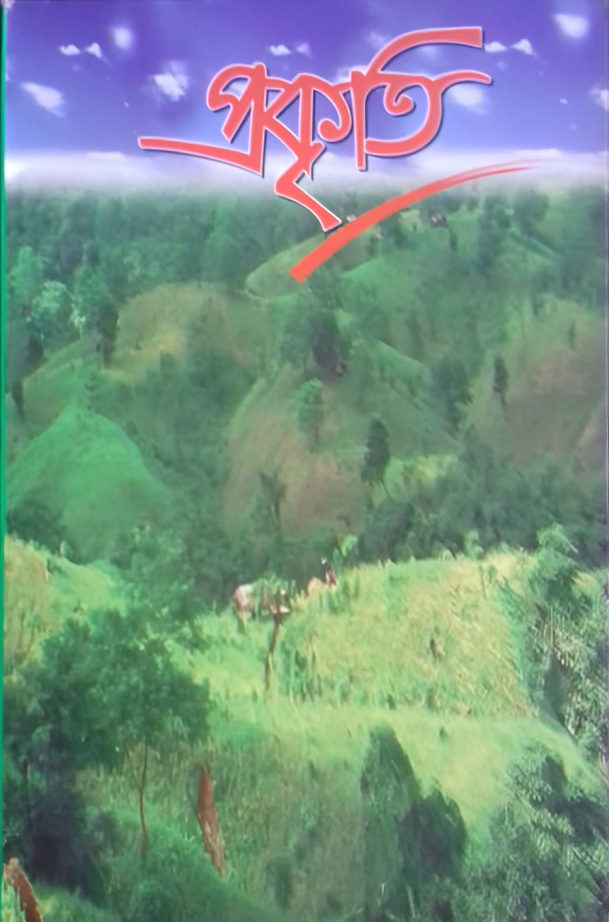
Prokriti- anthology of articles on environment, natural resources and climate change

Building a Resilient Future in the CHT
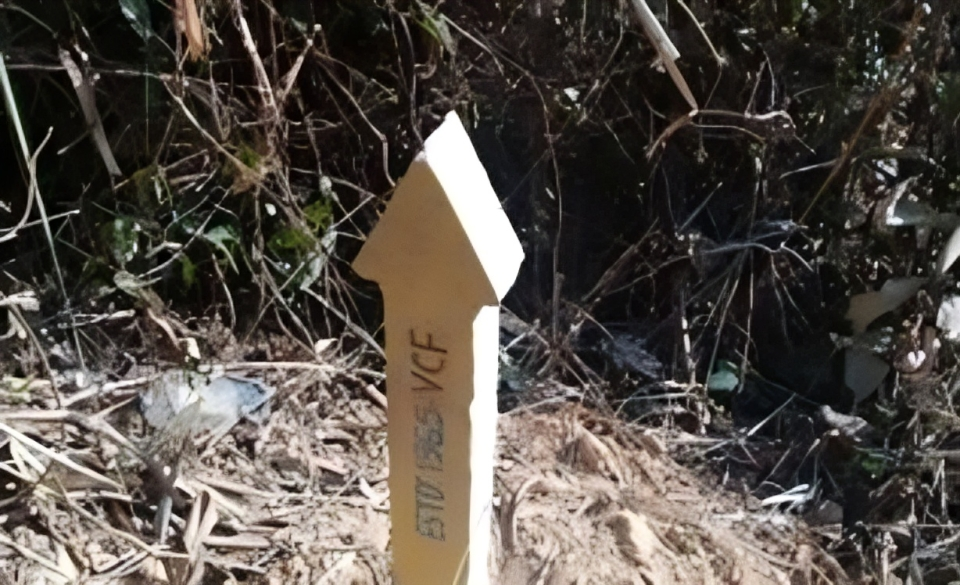
VCF Demarcation through installation of pillars

Zabarang’s comprehensive approach, spanning over two decades, clearly demonstrates a powerful model for sustainable development in the Chittagong Hill Tracts. By seamlessly integrating local action with invaluable indigenous wisdom and fostering strategic partnerships, the organization has cultivated a unique pathway to resilience. These diverse interventions, from watershed management to promoting traditional agricultural practices and empowering communities, collectively strengthen the region’s ability to adapt to environmental challenges. Ultimately, Zabarang’s work showcases how deep understanding of local contexts, combined with collaborative efforts, can forge a healthier and more sustainable future for both the people of the CHT and the planet. Their efforts are a testament to the transformative power of community-led initiatives in the face of global challenges like climate change.

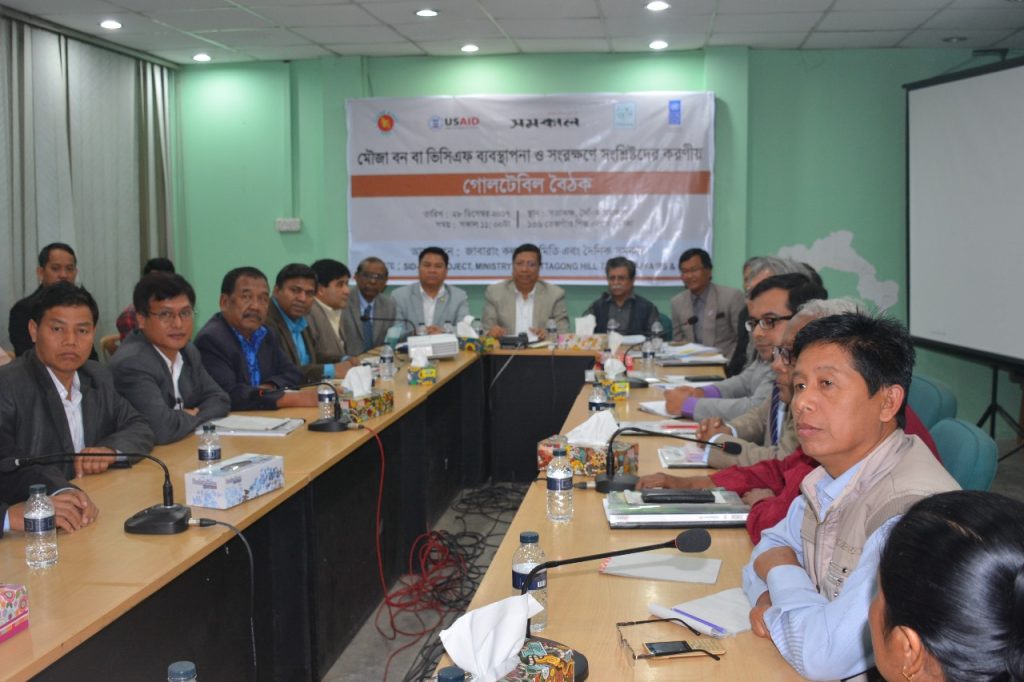
‘মৌজা বন বা ভিসিএফ ব্যবস্থাপনা ও সংরক্ষণে সংশ্নিষ্টদের করণীয়’ শীর্ষক গোলটেবিল বৈঠক

পাহাড়ে জীববৈচিত্র্য সংরক্ষণে মৌজা বন বা গ্রামীণ সাধারণ বনের (ভিসিএফ) গুরুত্ব অনেক। এসব বন স্থানীয় জনসাধারণের জীবন ও জীবিকার মূল উৎস। খাদ্য, ঘরবাড়ি নির্মাণ ও ওষুধের জন্য পাহাড়ি জনগোষ্ঠী মৌজা বনের ওপর নির্ভরশীল। পাহাড়ি ছড়ায় পানি ধরে রাখতে এ বন ভূমিকা রাখে। স্থানীয় জনগোষ্ঠীকে সম্পৃক্ত করে এসব বন সংরক্ষণ ব্যবস্থাপনা গড়ে তুলতে হবে। এগুলোকে আইনি স্বীকৃতির আওতায় আনতে হবে। তা হলেই অবশিষ্ট পাহাড়ি বন রক্ষা পাবে। জীববৈচিত্র্য আরও সমৃদ্ধ হবে। পাহাড় ও পাহাড়ের জনগোষ্ঠী তাদের ঐতিহ্য নিয়ে টিকে থাকবে।

‘মৌজা বন বা ভিসিএফ ব্যবস্থাপনা ও সংরক্ষণে সংশ্নিষ্টদের করণীয়’ শীর্ষক গোলটেবিল বৈঠকে বক্তারা এসব কথা বলেন।

দৈনিক সমকাল ও জাবারাং কল্যাণ সমিতি বৃহস্পতিবার যৌথভাবে এই বৈঠকের আয়োজন করে। সহযোগিতায় ছিল পার্বত্য চট্টগ্রাম বিষয়ক মন্ত্রণালয় ও উন্নয়ন সহযোগী ইউএনডিপি’র যৌথ উদ্যোগের এসআইডি-সিএইচটি প্রজেক্ট।
গোলটেবিলে বক্তারা আরও বলেন, জনসংখ্যা বৃদ্ধি, জমির দাম বেড়ে যাওয়া, মালিকানাবিরোধ, বিকল্প কর্মসংস্থান না থাকা, আনারস, রাবার, তামাকের মতো ফসলের চাষ বৃদ্ধি, ভূমি অধিগ্রহণ এবং সরকারি নীতি সহায়তার অনুপস্থিতির কারণে ভিসিএফ সংরক্ষণ করা কঠিন হয়ে পড়েছে। জীববৈচিত্র্য ধ্বংস হচ্ছে। ছড়াগুলো পানি শূন্য হয়ে পড়ছে। পাহাড়ে ভূমি ধস বাড়ছে। পাহাড় ও পাহাড়ি জনগোষ্ঠীর টিকে থাকার স্বার্থেই এসব বন রক্ষা করতে হবে। এখানে বাইরে থেকে আনা মডেল চাপিয়ে দেয়া যাবে না।

দৈনিক সমকালের উপসম্পাদক আবু সাঈদ খানের সঞ্চালনায় এ অনুষ্ঠানে সভাপতিত্ব করেন পার্বত্য চট্টগ্রাম ভিসিএফ নেটওয়ার্কের সভাপতি থোয়াইঅং মারমা। স্বাগত বক্তৃতা করেন জাবরাং কল্যাণ সমিতির নির্বাহী পরিচালক মথুরা বিকাশ ত্রিপুরা।

গোলটেবিল অনুষ্ঠানে বক্তব্য দেন পার্বত্য চট্টগ্রাম বিষয়ক মন্ত্রণালয়ের সচিব নব বিক্রম কিশোর ত্রিপুরা, খাগড়াছড়ি পার্বত্য জেলা পরিষদের চেয়ারম্যান কংজরী চৌধুরী, ইন্টারন্যাশনাল সেন্টার ফর ইন্টিগ্রেটেড মাউন্টেন ডেভেলপমেন্ট-ইসিমড প্রতিনিধি গোলাম রসুল ও ড. ধ্রুপদ চৌধুরী, রাঙামাটি পার্বত্য জেলা পরিষদের সদস্য ত্রিদিব কান্তি দাশ, প্রকৃতি সংরক্ষণবিষয়ক সংস্থাগুলোর আন্তর্জাতিক জোট আইইউসিএনের বাংলাদেশ প্রতিনিধি ইশতিয়াক উদ্দিন আহমেদ, চট্টগ্রাম বিশ্ববিদ্যালয়ের বন ও পরিবেশ বিজ্ঞান ইনস্টিটিউটের অধ্যাপক ড. খালেদ মিসবাহুজ্জামান, পরিবেশ আইনবিদ সমিতির (বেলা) প্রধান নির্বাহী সৈয়দা রিজওয়ানা হাসান, এসআইডি-সিএইচটি প্রকল্পের জাতীয় প্রকল্প ব্যবস্থাপক প্রসেনজিৎ চাকমা, বণ্যপ্রাণী ও প্রকৃতি সংরক্ষণ অঞ্চল ঢাকার বন সংরক্ষক মো. জাহিদুল কবির এবং পার্বত্য বন ও ভূমি রক্ষা আন্দোলনের জুয়াম লিয়ন আমরলই বম।
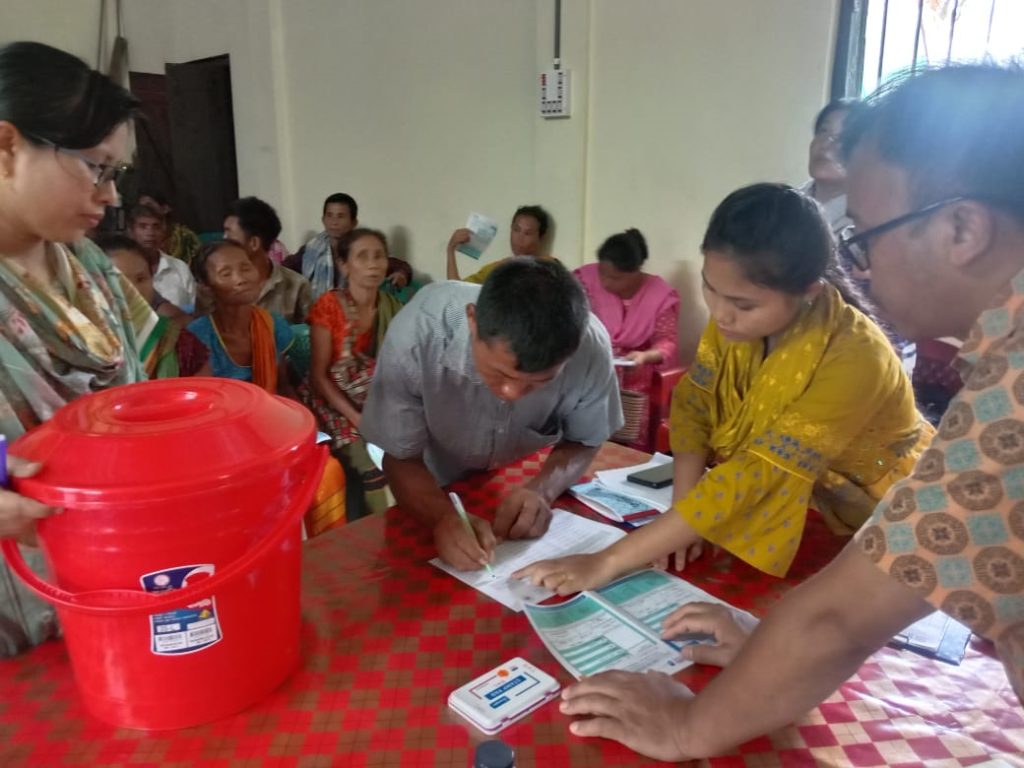
আলোচ্য বিষয়ের ওপর আলোকপাত করে আরণ্যকের নির্বাহী পরিচালক ফরিদ উদ্দিন আহমেদ বলেন, মানুষ বেড়ে যাওয়ায় পাহাড়ে মৌজা বনের সংখ্যা কমছে। তারপরও ছোট-বড় তিনশতাধিক পাড়া বন টিকে আছে। এগুলো জীববৈচিত্র্যে ভীষণ সমৃদ্ধ।

নিজেদের জরিপের উদাহরণ দিয়ে তিনি বলেন, এসব বনে এমন অনেক উদ্ভিদ ও প্রাণী টিকে আছে, যা দেশের অন্য স্থানে লুপ্ত হয়েছে বা বিরল হয়ে পড়েছে। এগুলো রক্ষা করতে হলে ভিসিএফগুলোকেও সংরক্ষণ করতে হবে। তবে এর সঙ্গে স্থানীয় জনগোষ্ঠীকে সম্পৃক্ত করতে হবে। কারণ তারা জানে কিভাবে এসব বন রক্ষা করতে হয়। সমতলের মডেল তাদের ওপর চাপিয়ে দেওয়া যাবে না। বনকে প্রাকৃতিকভাবে বাড়তে দিতে হবে। বনায়নের নামে বাইরের গাছপালা এনে এসব বনে লাগানো যাবে না। স্থানীয় জনগোষ্ঠীর বিকল্প কর্মসংস্থানের ব্যবস্থা করতে হবে। এখানকার গাছপালার ওষুধি গুণাগুণ বিশ্নেষণ করতে হবে। ভিসিএফগুলোকে সংরক্ষণ করতে হলে এদের আয়তন, প্রকৃতি ও জীব বৈচিত্র লিপিবদ্ধ করতে হবে।

ড. খালেদ মিসবাহুজ্জামান বলেন, মৌজা বনগুলো শুধু স্থানীয় বা জাতীয় সম্পদ নয়, এগলোর বৈশ্বিক গুরুত্ব রয়েছে। এসবের কারণে পাহাড়ের ছড়াগুলোতে পানিপ্রবাহ ঠিক থাকে। ওই পানির ওপর আবার পাহাড়ের কৃষিসহ জীবন ও জীবিকা টিকে আছে যুগ যুগ ধরে। জীব বৈচিত্র সমৃদ্ধ এসব বন হতে পারে প্রকৃতি শিক্ষার জীবন্ত গবেষণাগার। তিনি বলেন, মৌজা বন সংরক্ষণে স্থানীয় প্রাণ ও প্রকৃতিকে প্রাধান্য দিতে হবে।

ড. ধ্রুপদ চৌধুরী ভারত ও নেপালে তার কাজের অভিজ্ঞতার আলোকে বলেন, ভিসিএফ সংরক্ষণে লোকায়াত জ্ঞানকে কাজে লাগাতে হবে। প্রথমেই স্থানীয় জনগোষ্ঠীর মৌলিক চাহিদার ওপর জোর দিতে হবে। পার্বত্য চট্টগ্রামের জন্য দেশের বিদ্যমান বিভিন্ন আইনের মধ্যে বিরোধ রয়েছে মন্তব্য করে তিনি বলেন, এগুলোর সমন্বয় করতে হবে।

জুয়াম লিয়ন আমলই বম স্থানীয় পরিস্থিতি তুলে ধরে বলেন, বনায়নের নামে বাইরের গাছপালা পাহাড়ে রোপন করলে ভিসিএফ ধ্বংস হয়ে যাবে। বিভিন্ন সংস্থার নামে ভূমি অধিগ্রহণ বন্ধ করার দাবি জানান তিনি।

কংজরী চৌধুরী বলেন, ভিসিএফ কমার সঙ্গে সঙ্গে স্থানীয় বৃক্ষ হারিয়ে যাচ্ছে। কৃত্রিম বনায়নের সময় এ ধরনের গাছ রোপন করতে হবে। কারণ জীব বৈচিত্র রক্ষায় এসব বনে আদি গাছ দরকার।

সৈয়দা রিজওয়ানা হাসান চৌধুরী বন সংরক্ষণে বিদ্যমান আইনের সীমাবদ্ধতা তুলে ধরে তা সংশোধনের ওপর জোর দেন। তিনি বলেন, আইনে বন বিভাগের দায়িত্ব কর্তব্য বলা হয়নি। কৃষি মন্ত্রণালয় নিজে চাষ করে না। তারা তদারকি করে। মাঠে কাজ করে কৃষক। মৎস্য মন্ত্রণালয়ও মাছ চাষ করে না। কিন্তু বন অধিদপ্তর নিজেরা বনায়ন করতে চায়। তাই বাগান হয়, বনায়ন হয় না। বন বিভাগকে তত্ত্বাবধায়কের দায়িত্ব পালনের পরামর্শ দিয়ে তিনি বলেন, বন রক্ষার কাজ স্থানীয় জনগোষ্ঠীর হাতে ছেড়ে দিতে হবে।

ইশতিয়াক উদ্দিন আহমেদ বলেন, মৌজা বন রক্ষা করতে হলে স্থানীয় জনগোষ্ঠীকে এর মালিকানা দিতে হবে। স্থানীয়দের সমন্বয়ে বন সংরক্ষণ ব্যবস্থাপনা গড়ে তুলতে হবে। ভিসিএফ রক্ষায় পৃথক বিধিমালা প্রণয়ন করতে হবে। বনকে অন্য কাজে ব্যবহারের অনুমতি দেওয়া ঠিক হবে না।

ড. গোলাম রসুল বলেন, মৌজা বন ধ্বংস হলে শুধু পার্বত্য চট্টগ্রাম বা বাংলাদেশের ক্ষতি হবে না-সারা বিশ্বেরই লোকসান হবে। নেপালের উদাহরণ দিয়ে তিনি বলেন, এ দেশেও এসব বন সংরক্ষণে স্থানীয় অধিবাসীদের সম্পৃক্ত করতে হবে। নিজেদের স্বার্থেই বনজীবী এসব মানুষ ভিসিএফ রক্ষা করবে।

প্রধান অতিথির বক্তৃতায় সচিব নব বিক্রম কিশোর ত্রিপুরা বলেন, ভিসিএফগুলোর আইনি স্বীকৃতি জরুরী। তবে এজন্য তথ্য উপাত্তের প্রয়োজন। তিনি বলেন, পার্বত্য চট্টগ্রামের উন্নয়নে সব সংস্থার মধ্যে সমন্বয় থাকতে হবে। ভূমি ব্যবস্থাপনা সমস্যার দ্রুত সমাধান করতে হবে। পাহাড়ের জমি অধিগ্রহণ বন্ধ করতে হবে। তিনি স্থানীয় উন্নয়ন সংস্থা ও বেসরকারি সংগঠনগুলোকে প্রয়োজনীয় প্রকল্প নিয়ে সরকারের কাছে উপস্থাপনের পরামর্শ দেন।

প্রসেনজিৎ চাকমা বলেন, বন বিভাগ শুধু অর্থকরী সেগুন, গামার লাগানোতে বেশি উৎসাহী। এ থেকে বন বিভাগকে বেরিয়ে আসতে হবে। তাদের স্থানীয় বনজ বৃক্ষের সম্প্রসারণে কাজ করতে হবে। ত্রিদিব কান্তি দাশ বলেন, ভিসিএফ রক্ষা করতে জনপ্রতিনিধি ও স্থানীয় জনগণকে প্রশিক্ষণ ও সচেতন করে তুলতে হবে।

সমাপনী বক্তৃতায় আবু সাঈদ খান বলেন, ‘সবকিছুর মূলে মানুষ। মানুষের প্রয়োজনে আইন। সবাই উন্নয়ন চায়। কিন্তু তা হতে হবে মানুষের জন্য। মাটি, মানুষ, পাহাড় প্রকৃতিকে রক্ষা করেই সার্বিক উন্নয়ন পরিচালনা করতে হবে।’

এ সময় আরও উপস্থিত ছিলেন বাংলাদেশ পরিবেশ আন্দোলনের (বাপা) শাহজাহান মৃধা, এসআইডি-সিএইচটি প্রকল্পের কর্মকর্তা বিপ্লব চাকমা প্রমুখ।

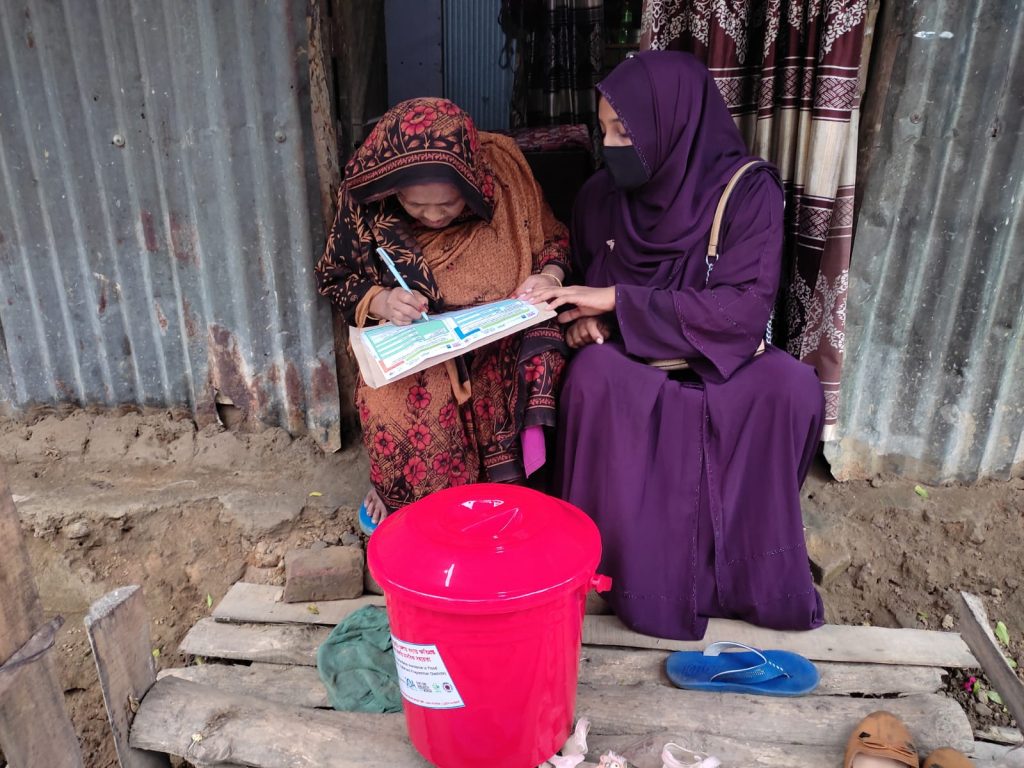
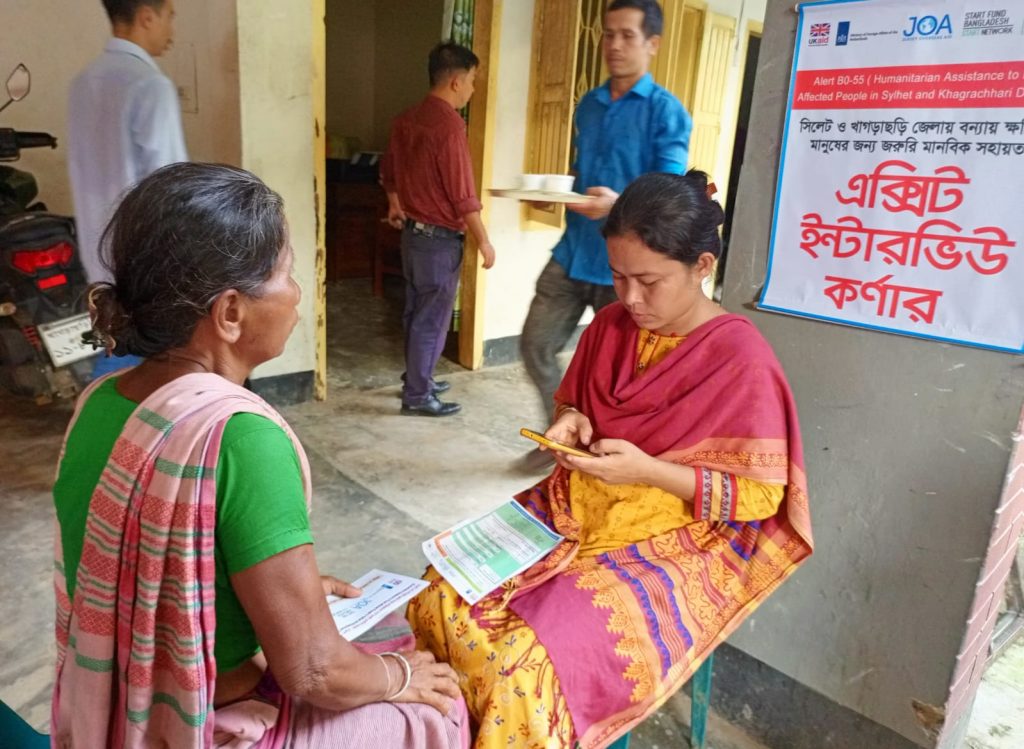
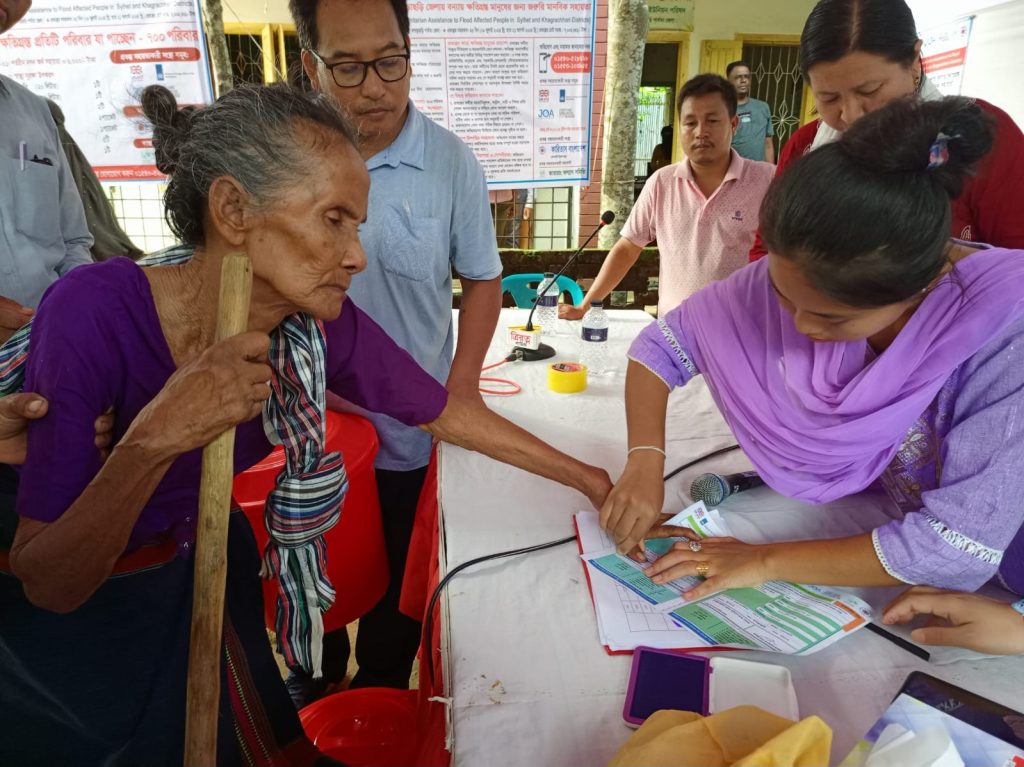
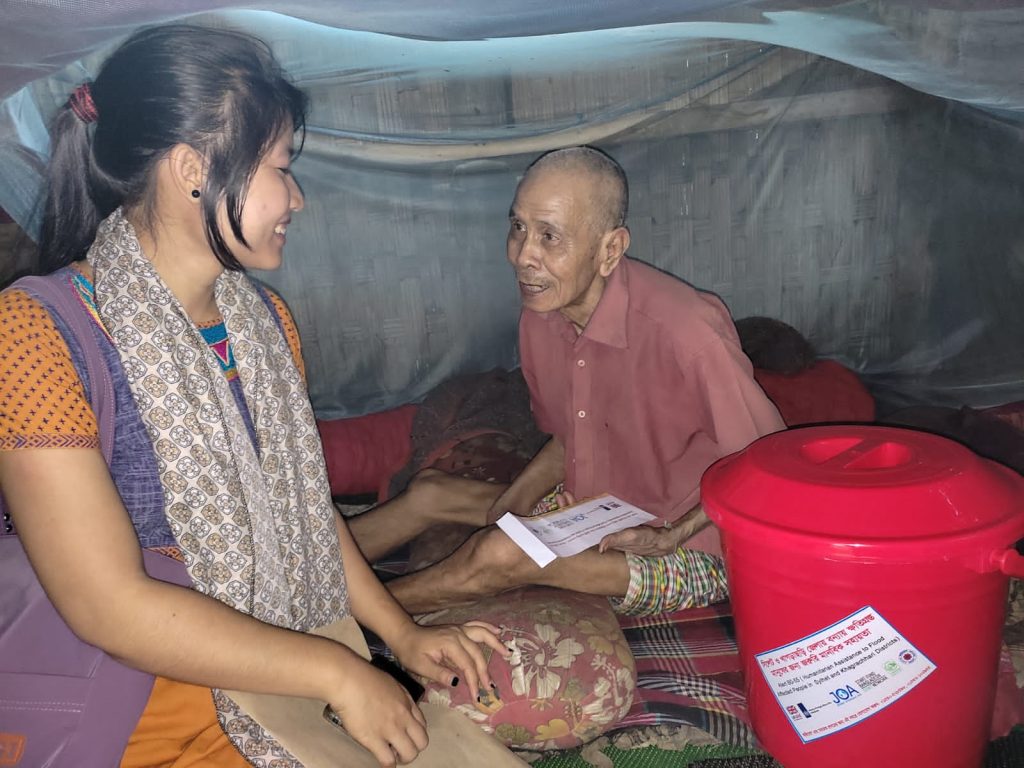
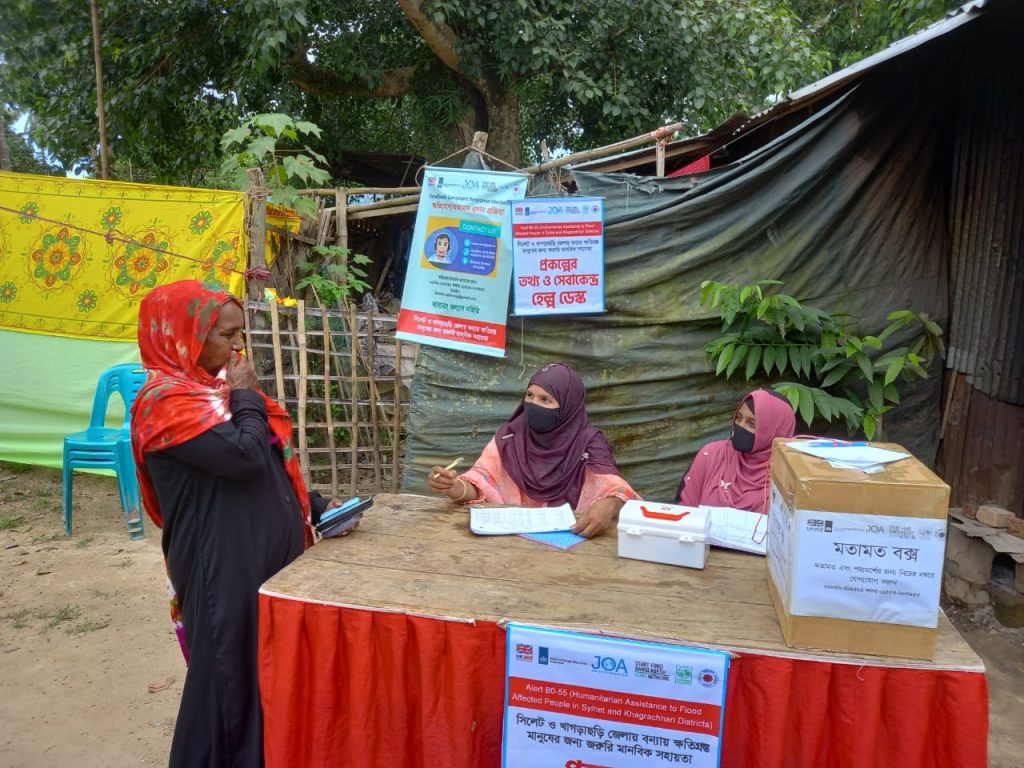
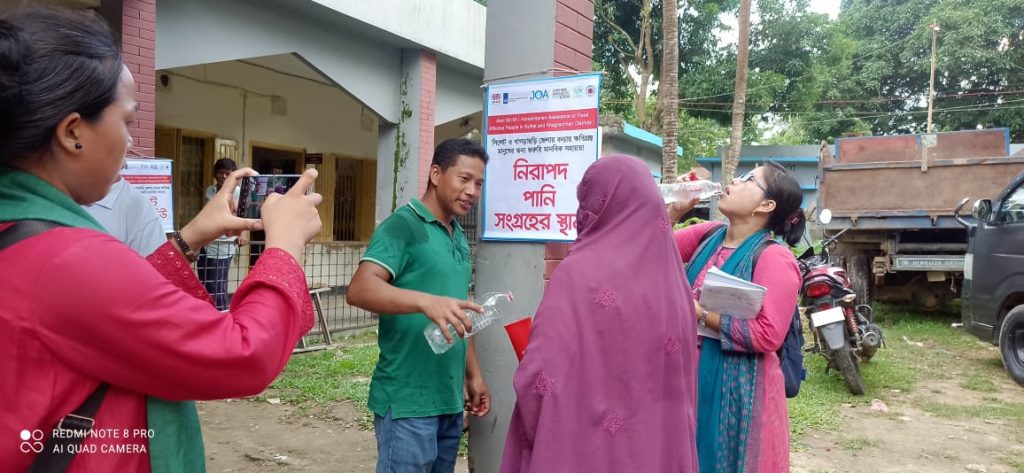
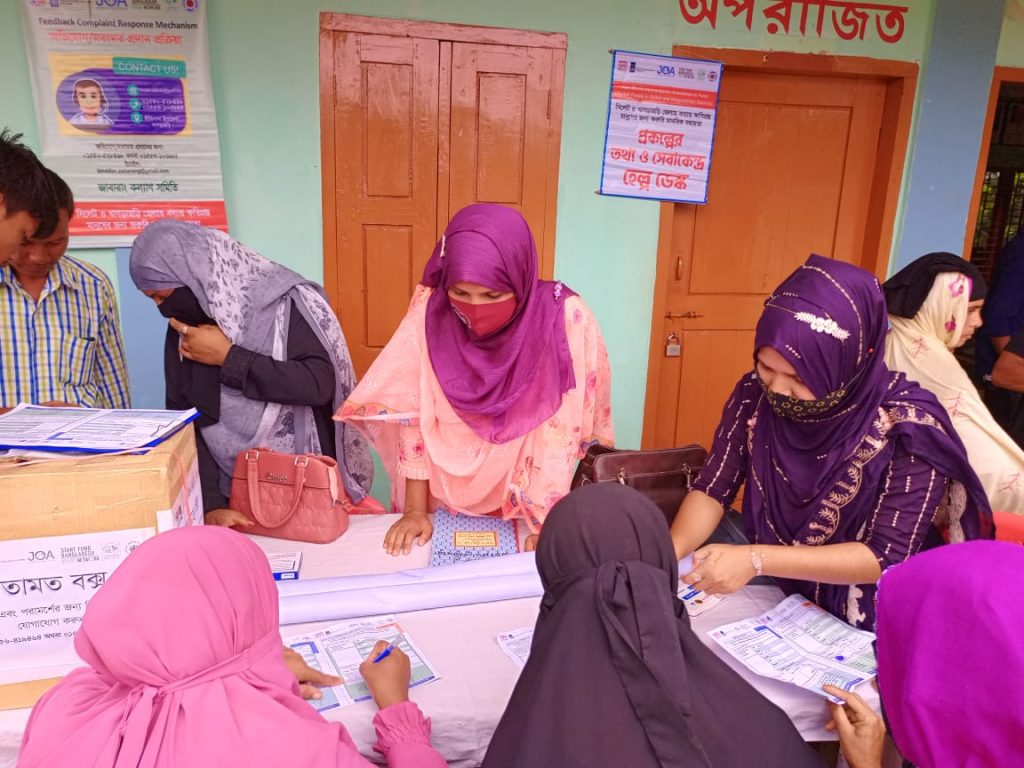
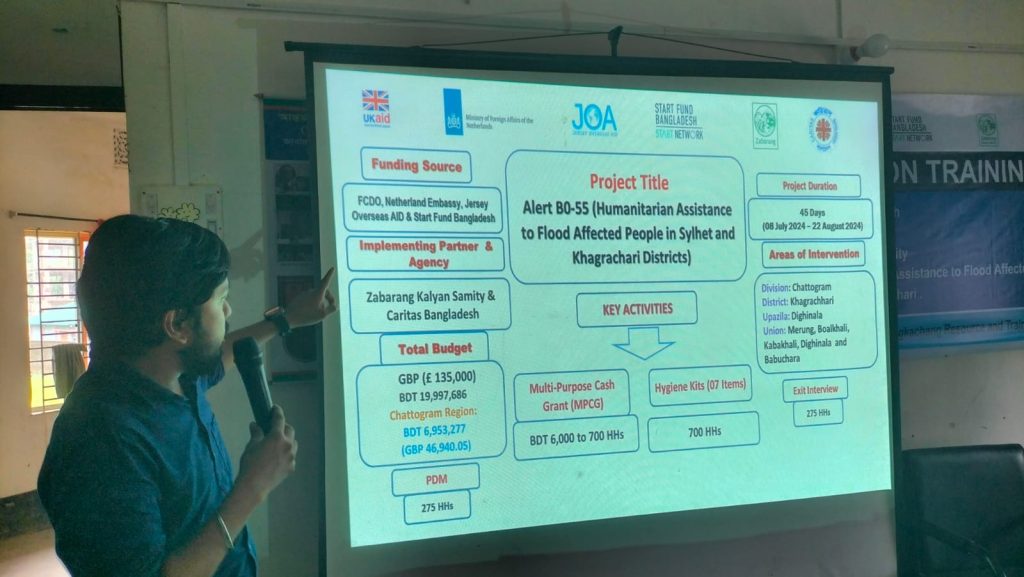
Multipurpose Cash Grants and Hygiene Kits Distributed Among 700 Flood-Affected Households Dighinala Upazila of Khagrachhari Hill District

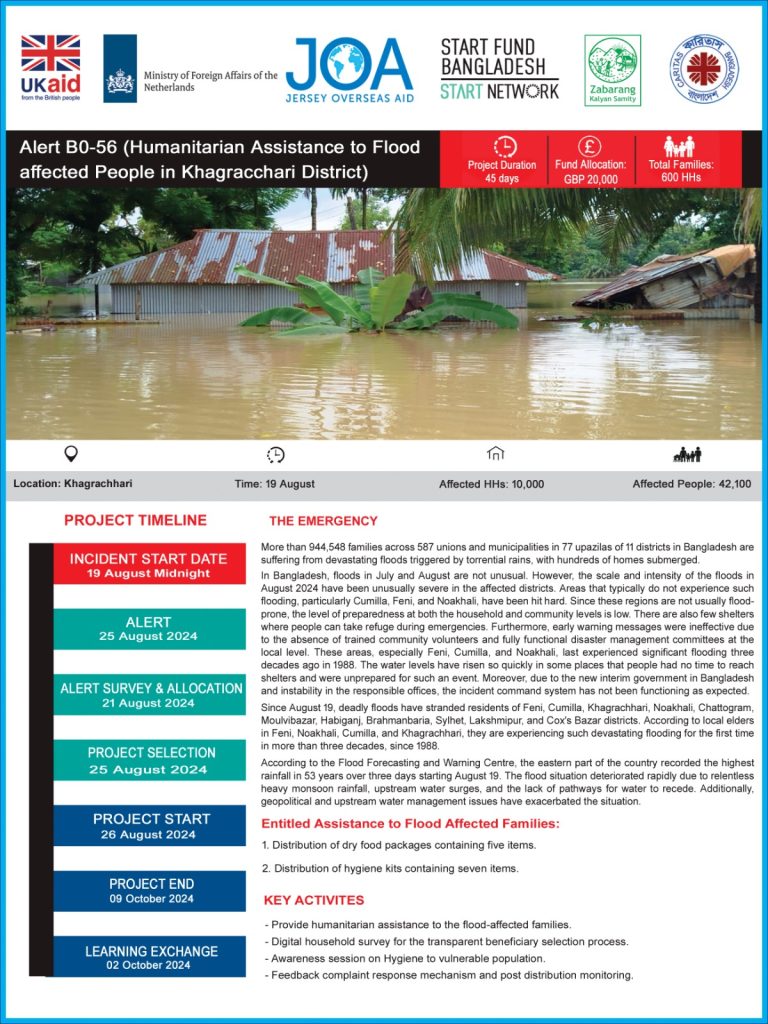
“Humanitarian Assistance to Flood Affected People in Sylhet and Khagrachhari districts (ALERT B0-55)”

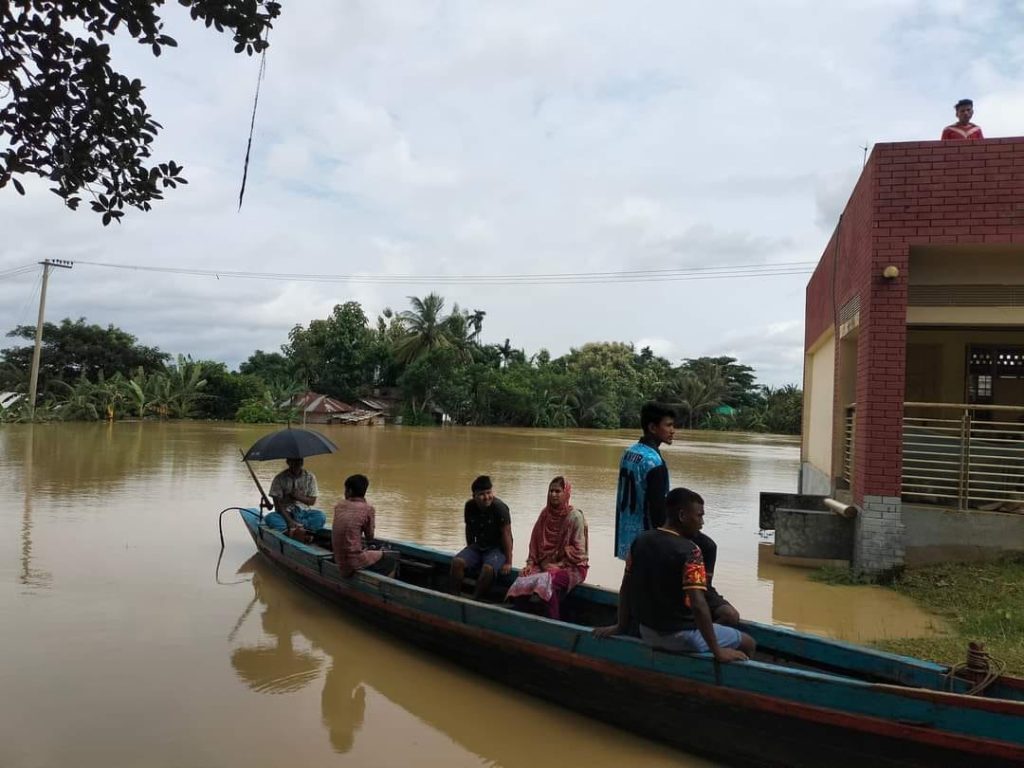
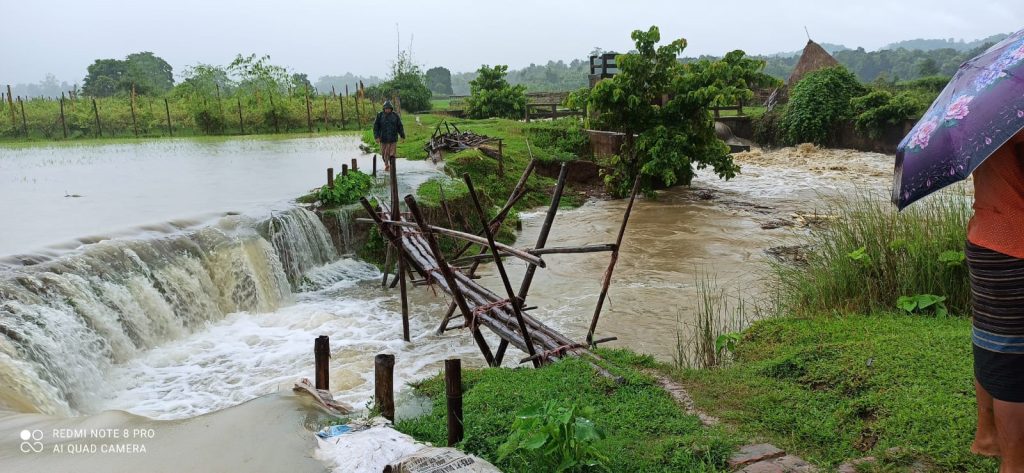
Flood in Dighinala

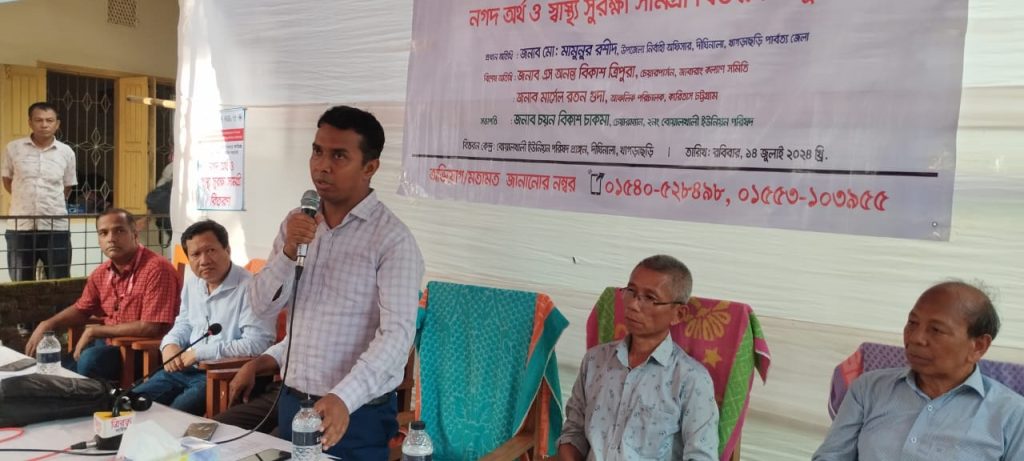
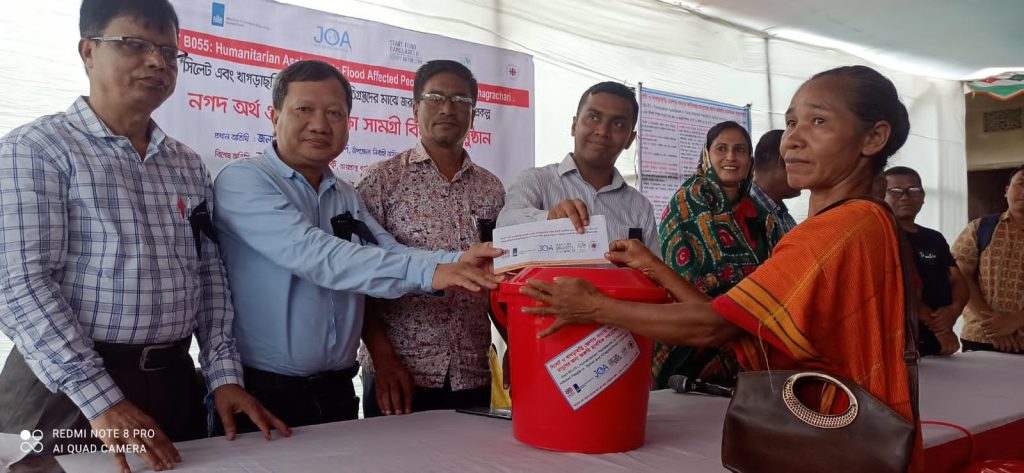
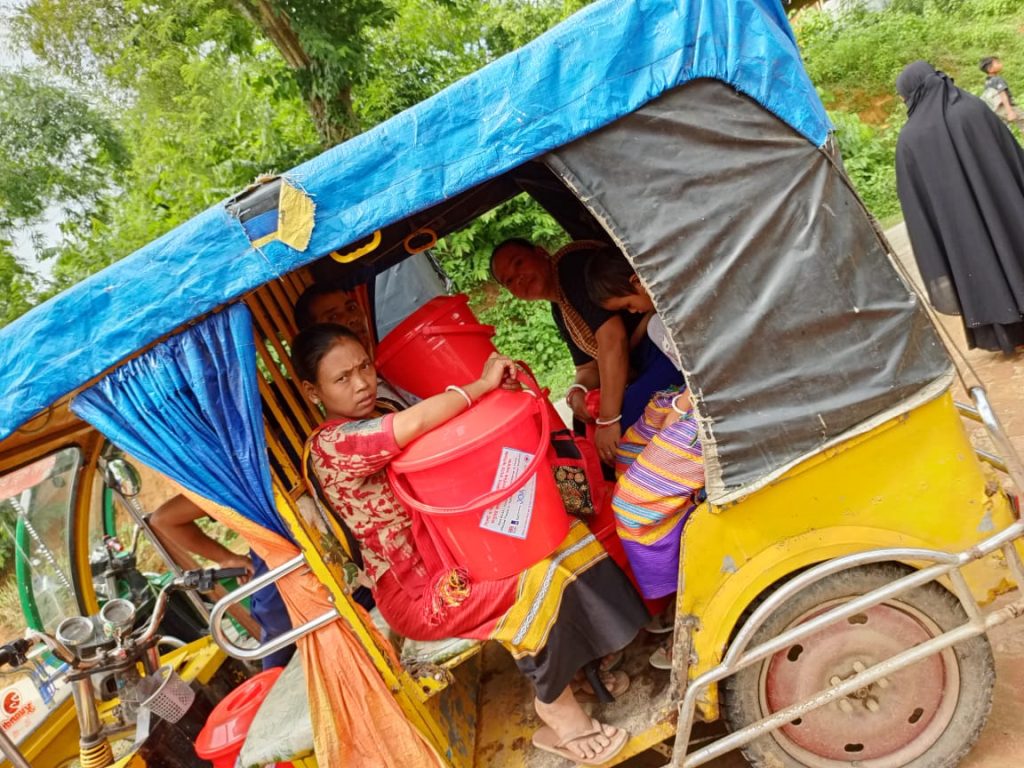
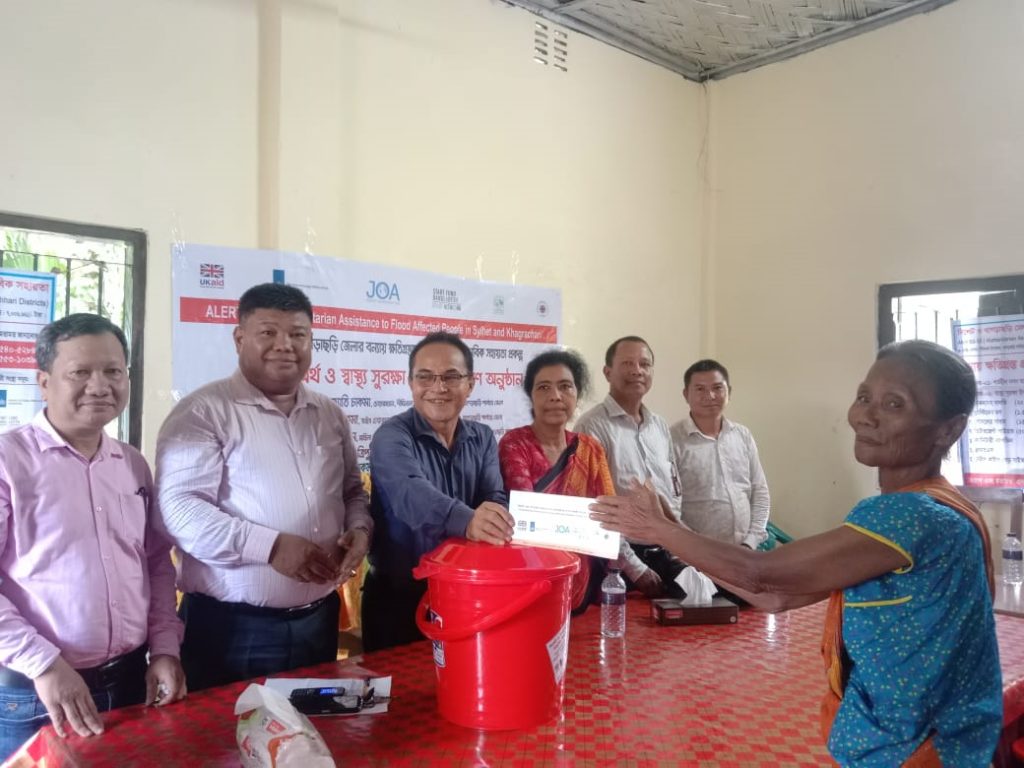
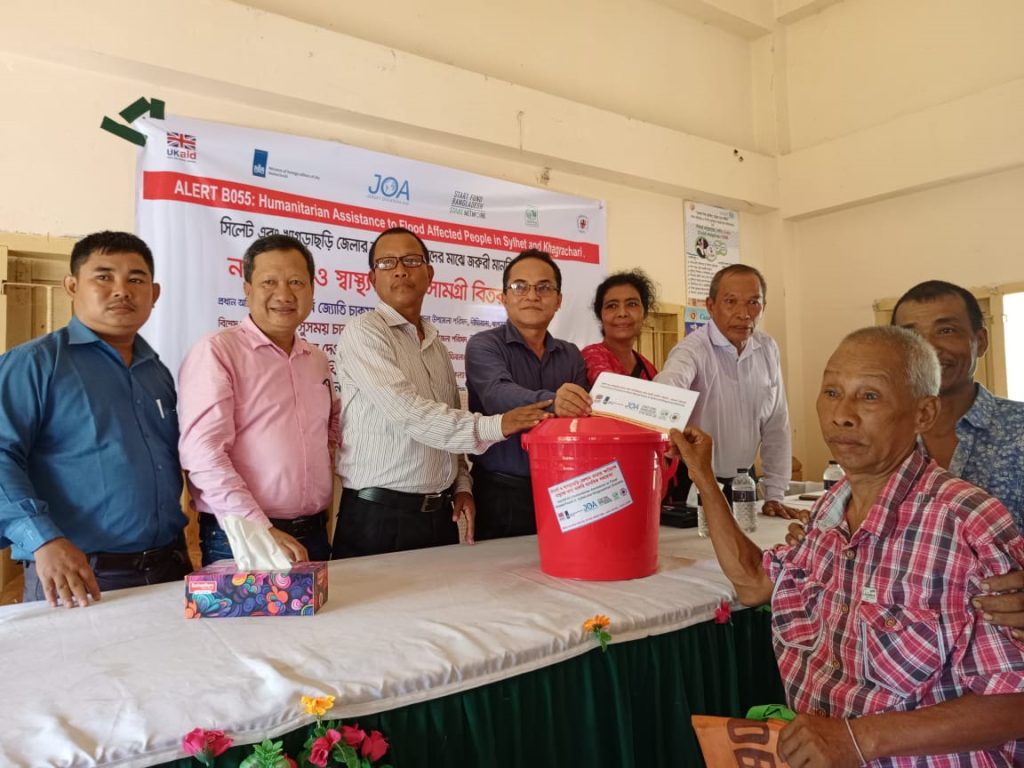
Multipurpose Cash Grants and Hygiene Kits were distributed among 700 households affected by the recent floods in 4 unions of Dighinala Upazila under Khagrachhari Hill District. The distribution was implemented under the Emergency Humanitarian Assistance Project funded by Start Fund Bangladesh of Start Network, organized by Zabarang Kalyan Samity with technical support from Caritas Bangladesh.

The distribution has been started in Boalkhali Union on 14 July 2024 and ended in Merung Union on 30 July 2024. Multipurpose Cash Grants and Hygiene Kits were distributed in Kabakhali Union on 18 July 2024, and in Dighinala and Babuchhara Unions on 28 July 2024.

Boalkhali Union Parishad Chairman Mr. Chayan Bikash Chakma presided over the distribution ceremony in Boalkhali Union while Chairman of Kabakhali Union Parishad Mr. Knowledge Chakma, Chairman of Dighinala Union Parishad Mr. Chandra Ranjan Chakma, Babuchhara Union Parishad Chairman Mr. Gagan Bikash Chakma and Chairman of Merung Union Parishad Mst Mahmuda Begum Lucky in the distribution ceremony of their respective unions.

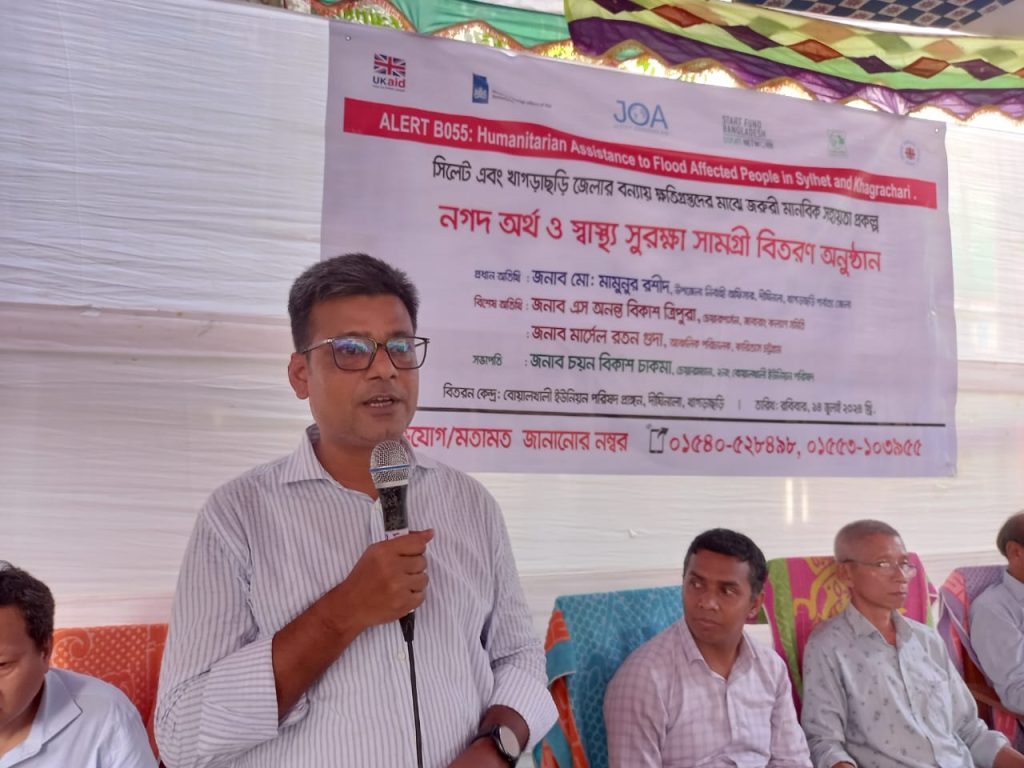
Mr. Md. Mamunur Rashid, Honorable Upazila Nirbahi Officer (UNO) of Dighinala Upazila, graced the distribution events in Boalkhali and Merung Union as the chief guest, while Mr. Dharma Jyoti Chakma, the Chairman of Dighinala Upazila Parishad graced the distribution ceremonies in Kabakhali, Dighinala and Babuchhara unions.

Former President of Bangladesh Tripura Kalyan Sangsad and civic actor in Dighinala Mr. Nalendra Lal Tripura, Chairperson of Zabarang Kalyan Samity Mr. S Ananta Bikash Tripura, Vice Chairman of Dighinala Upazila Parishad Mr. Susamoy Chakma, Women Vice Chairman of Dighinala Upazila Parishad Ms. Sima Dewan, Regional Director of Caritas Chattogram Mr. Marcel Ratan Guda, President of Khagrachhari Journalist Union Mr. Prodip Chowdhury, President of Dighinala Press Club Mr. Jahangir Alam Raju, General Secretary Mr. Jakir Hossain, Instructor of Upazila Resource Center Md. Main Uddin, Head teacher of Merung High School Md. and SMC Chairman Md. have take part in the ceremonies as special guests.

Mr. Mathura Bikash Tripura, Executive Director of Zabarang Kalyan Samity, delivered the welcome speech, and Mr. Binodan Tripura, Programme Coordinator, moderated the discussion.

The flodd affected households have been provided wit the following humanitarian supprots:

The humanitarian support item included-

  1. a Multi-Purpose Cash Grant (MPCG) worths- BDT 6,000
  2. 20 liters RFL plastic bucket with lid- 1 piece
  3. Bathing soap- 2 pieces
  4. Detergent powder- 1 kg
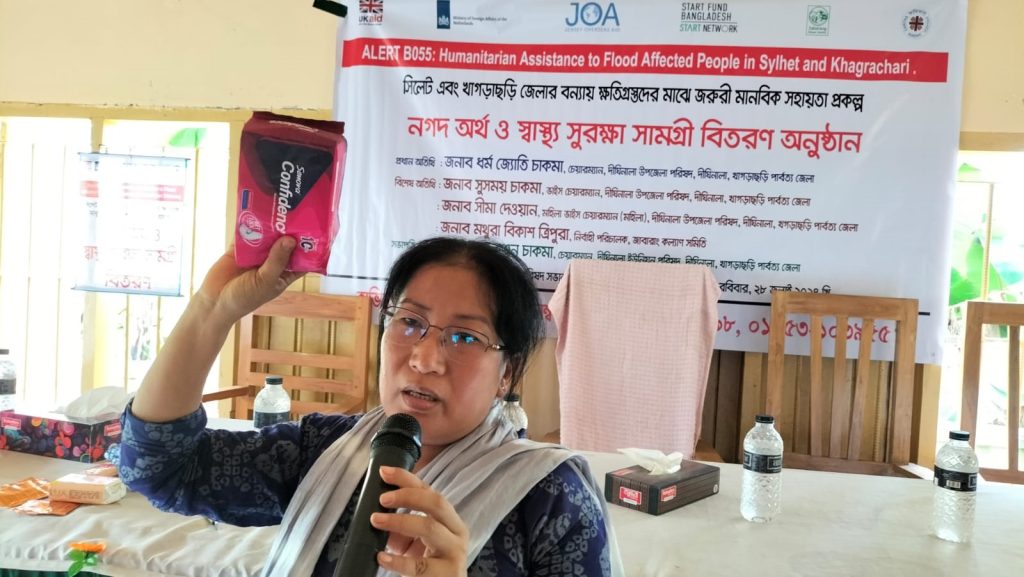
  5. Sanitary Napkin- 1 pack
  6. 1.5 liters RFL Plastic Mug- 1piece
  7. ORS – 5 pieces
  8. Large sized nail cutter-1 piece
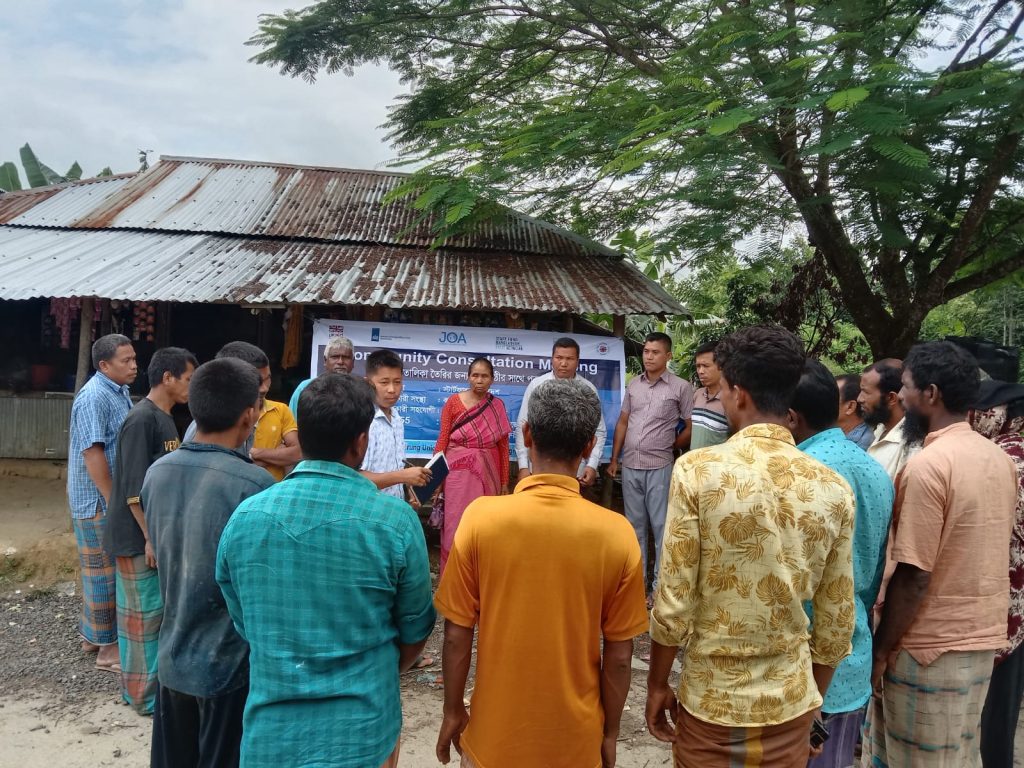
Community Consultation on the identification flood affected households
Flood in Dighinala
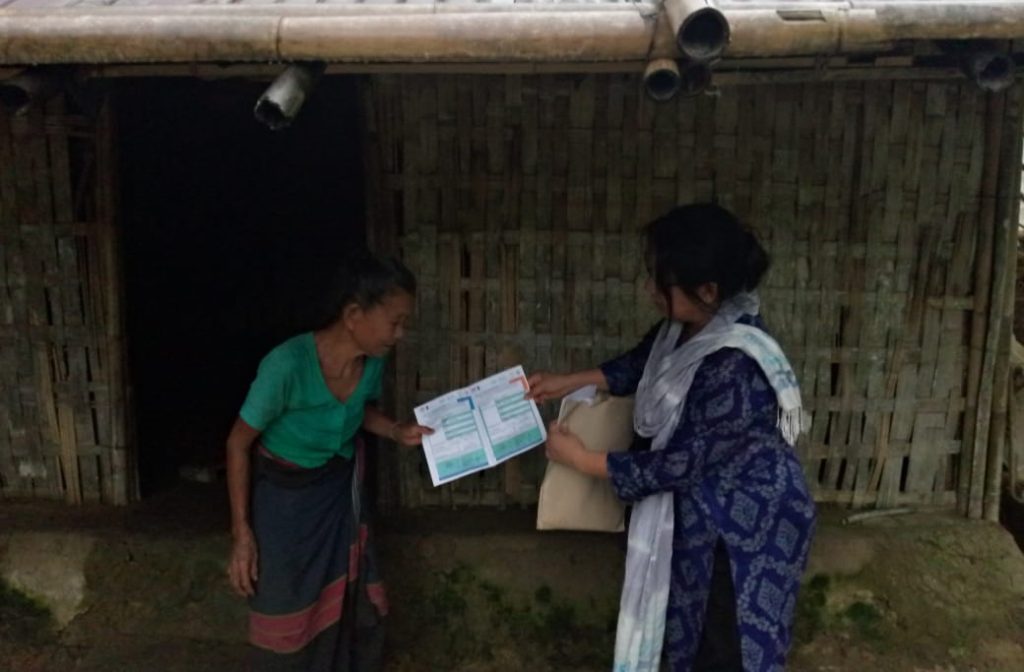
Distribution of ID card to the selected recipient
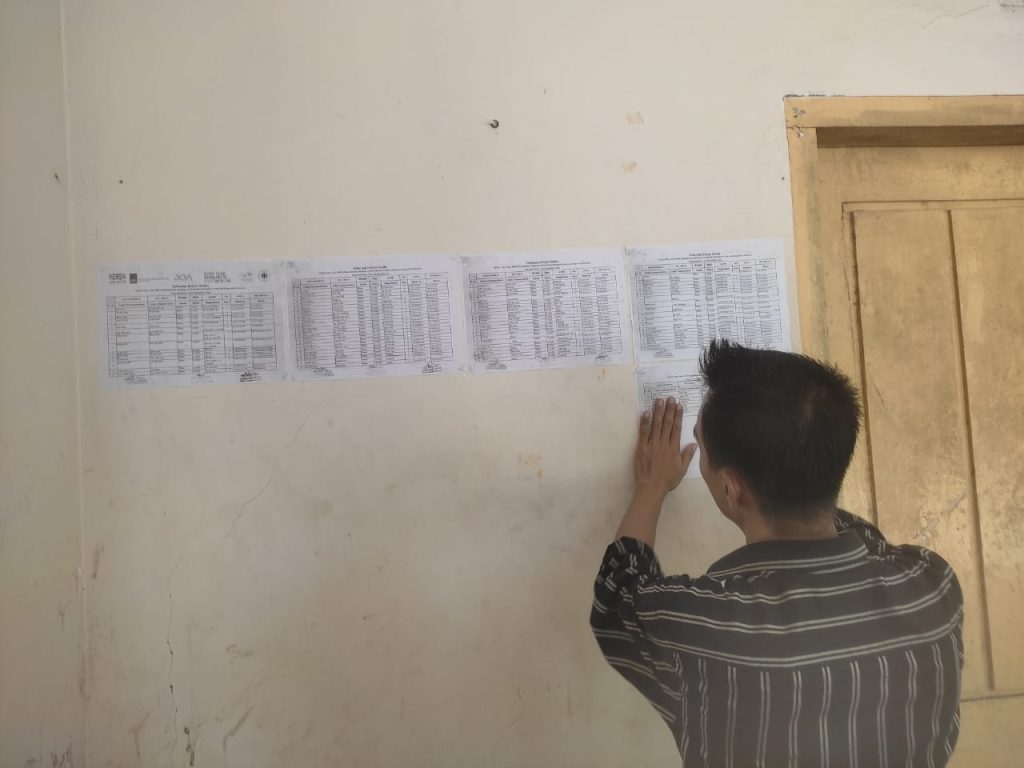
Publishing the list of flood affected households
Orientation of using the materials provided to the flood affected households
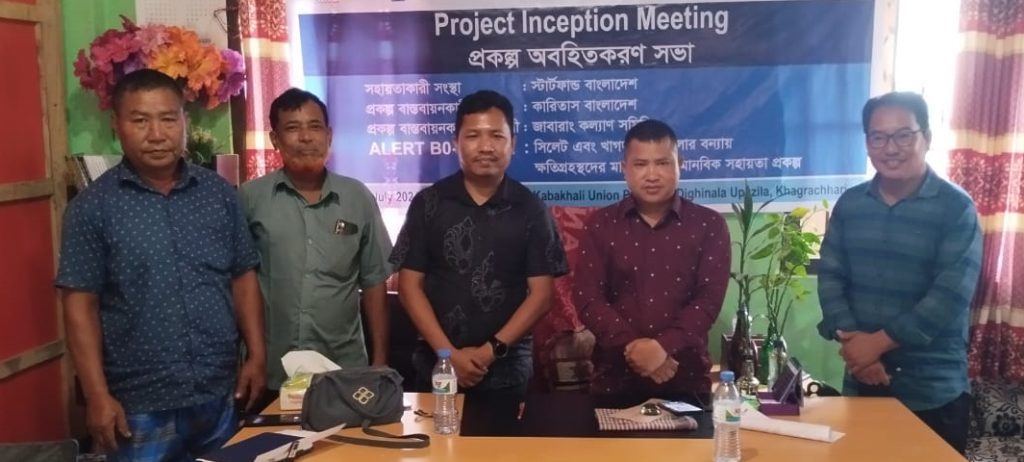
Project Inception in Kabakhali Union in presence of Mr. Alexandar Tripura, the head of Disaster in Caritas Bangladesh
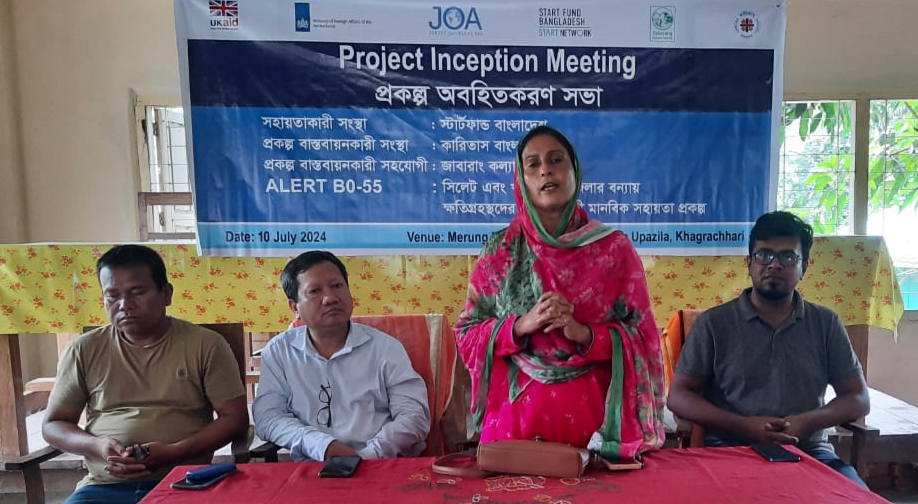
Project inception in Merung Union
Community Consultation on the identification flood affected households
First distribution in Boalkhali union
Distribution of humanitarian support
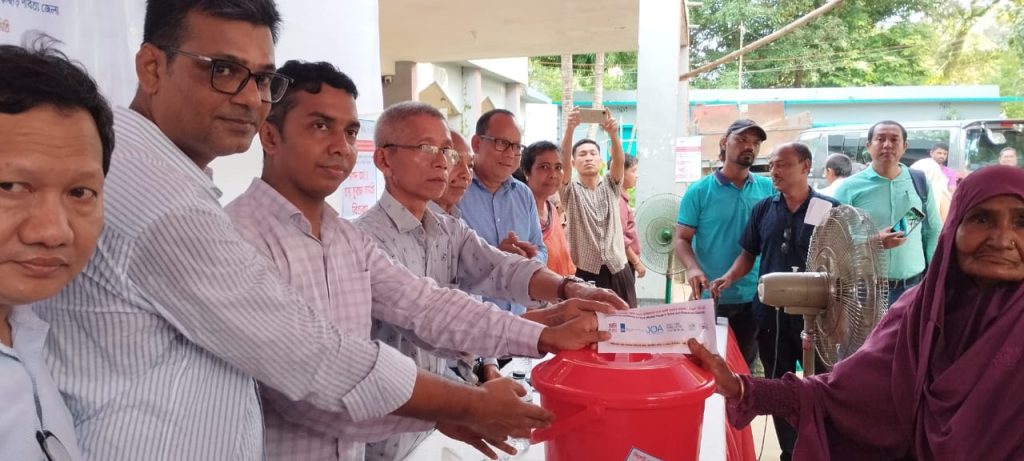
Handing over the humanitarian supports
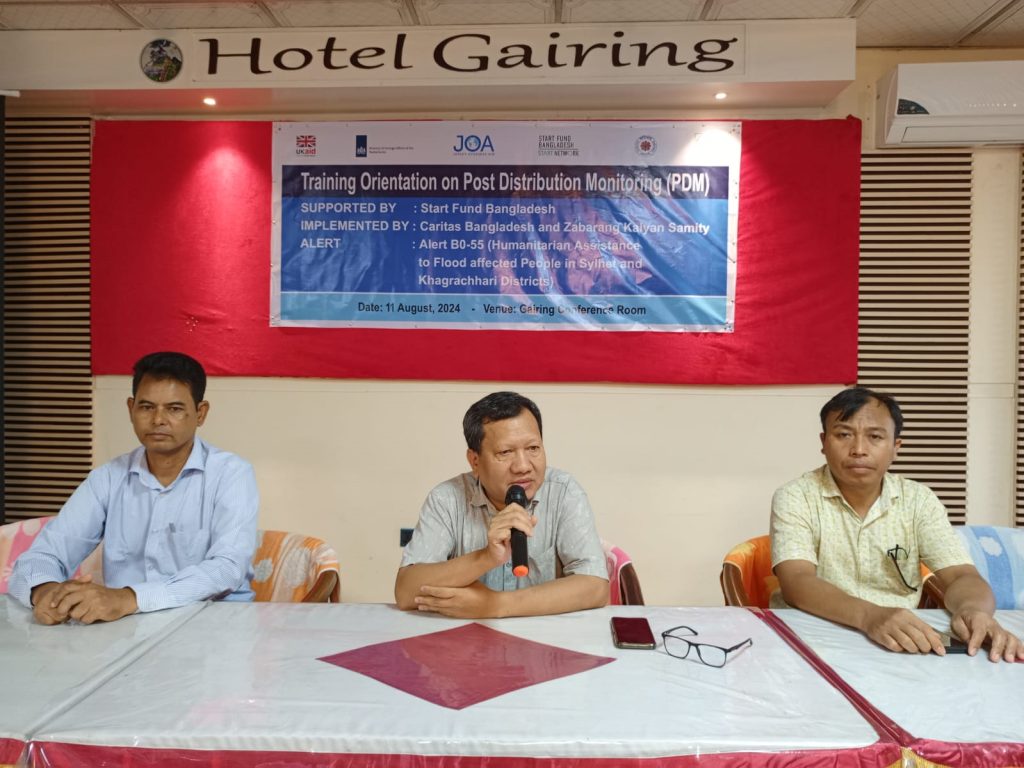
Exit interview corner
Hand-overing process of the support
Handing over the humanitarian supports
Information corner at the distribution point
Drinking water corner
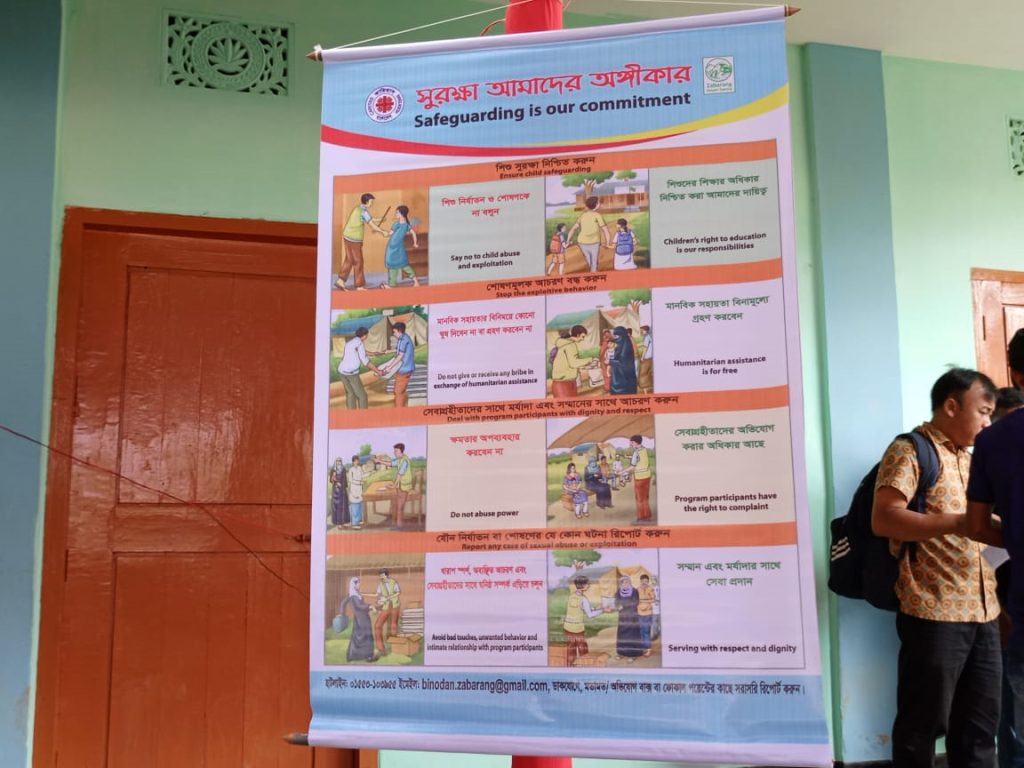
Infosheet of Caritas
Verification of recipient
Distribution ceremony
Distribution in Merung union
Happy recipients
Hand overing procedures
Distribution in Babuchhara union
Distribution in Dighinala Union
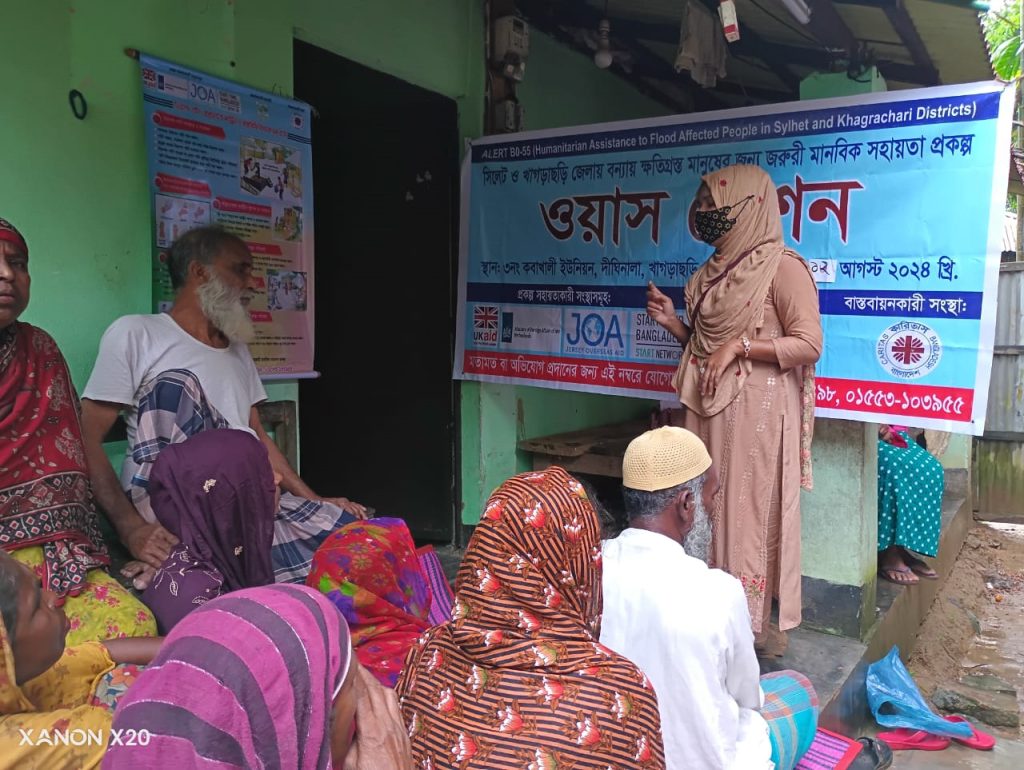
WASH session
Orientation session
Distribution in Dighinala Union

Zabarang at SRHR Conference

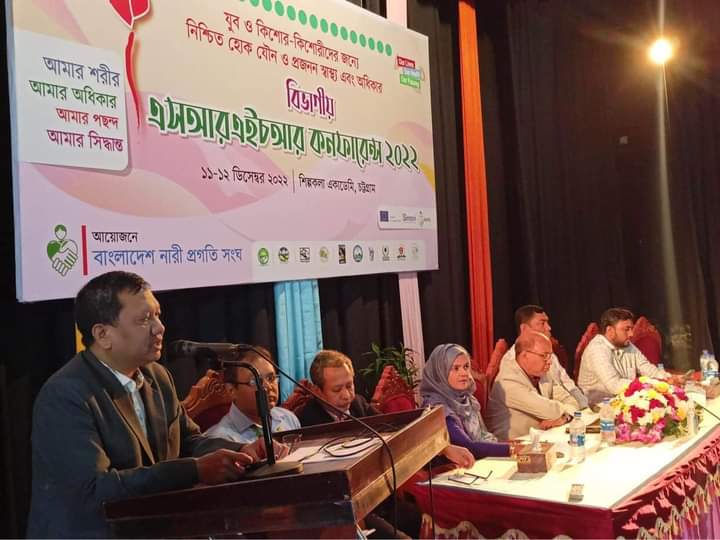
ED of Zabarang Mr. Mathura Bikash Tripura delivering speech in the Regional SRHR Conference at the Shilpakala Academy, Chattogram

Zabarang Kalyan Samity has participated in the National Sexual and Reproduction Health and Rights (SRHR) held on 11 & 12 December 2022. The conference was